

Tire chains are essential equipment for commercial drivers operating in winter conditions, but their effectiveness depends on how well they are stored and maintained. Improperly stored chains can quickly become tangled, damaged, corroded, or difficult to access when they’re needed most. Whether you operate a single truck or manage an entire fleet, a dedicated chain storage solution helps keep chains organized, protected, and ready for use. Additionally, learning how to hang tire chains on a rack helps to extend chain life, improve safety, and reduce inspection and deployment time during severe weather events.
The Real Cost of Improvised Chain Storage
Many drivers store tire chains in toolboxes, truck beds, or makeshift containers, and while these methods may seem convenient, they create long-term problems. When chains are piled together, moisture becomes trapped between links, which accelerates rust and corrosion. Tangled chains can also cost valuable time during roadside chain-up situations, especially in harsh weather conditions where every minute matters. Additionally, improvised storage solutions can also increase wear on the chains themselves. Twisted links, damaged cross chains, and unnecessary abrasion shorten service life and lead to higher replacement costs.
For fleets, disorganized chain storage can contribute to inspection issues, equipment damage, and increased maintenance expenses. This is why a dedicated chain rack is needed, to help eliminate these concerns while keeping chains accessible and properly secured.
Star Fabrication Tire Chain Hangers
Here at Star Fabrication our designs for tire chain hangers or storage systems specifically meet the demanding conditions faced by commercial trucking operations. Unlike generic storage solutions, our chain hangers are engineered to withstand vibration, road debris, moisture, and extreme temperatures. Moreover, our product lineup includes both retractable and stationary chain hanger systems designed for professional truck applications.
Common materials include:
- Heavy-duty steel construction
- Corrosion-resistant finishes
- Aluminum checker plate covers
- Reinforced brackets for heavy chain loads
Compared to many competing chain racks, our products are built with durability and fleet longevity in mind. While lower-cost alternatives may use thinner materials or lighter-duty mounting systems, we’re focused on robust construction designed for year-round commercial use. The result is a storage solution that helps protect valuable tire chains while maintaining easy access during winter operations.
-
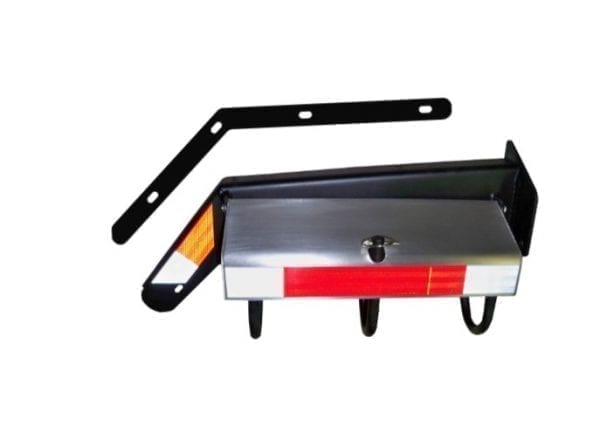
Tire Chain Hanger/Mud Flap Bracket, LH, 26 3/4″ x 13 1/8″
$232.81 CAD -
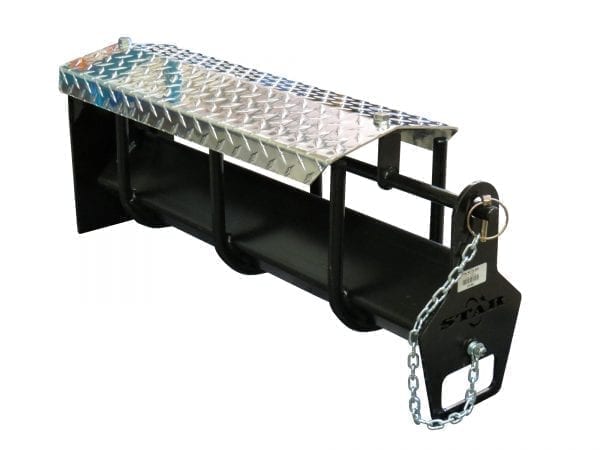
Roll-Out Tire Chain Hanger with Cover
$496.57 CAD -
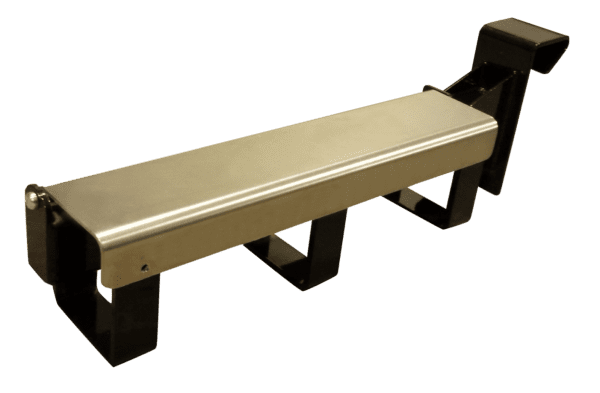
Clip-On Tire Chain Hanger – RH
$180.50 CAD -
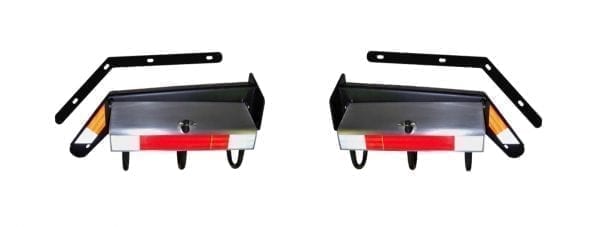
Tire Chain Hanger / Mud Flap Bracket, Universal Fit, Set
$462.47 CAD
How to Hang Tire Chains on a Rack: Step-by-Step Guide
Understanding how to hang tire chains on rack systems properly ensures safe storage and fast deployment.
Step 1: Inspect the Chains: Before storing chains, inspect them for broken links, excessive wear, or damaged fasteners. Repair or replace damaged components before storage.
Step 2: Remove Excess Snow, Ice, and Debris: Clean off mud, snow, road salt, and ice. Storing wet or contaminated chains can accelerate corrosion.
Step 3: Organize the Chain Assembly: Lay the chains out flat and remove any twists or tangles. Proper organization now saves time during future chain installation.
Step 4: Hang Evenly Across the Rack: Distribute the chain weight evenly across the designated hooks. Avoid bunching all chain sections onto a single hook.
Step 5: Secure the Rack: If using a covered or retractable system, close and secure the unit according to manufacturer recommendations.
Step 6: Perform Regular Inspections: Check chain racks periodically for loose hardware, corrosion, or structural damage.
Tire Chain Hanger Regulations and Compliance
It’s the job of commercial vehicle operators to ensure all mounted equipment is securely attached and maintained in safe operating condition. This means that tire chain racks should be installed according to manufacturer specifications and should not interfere with vehicle operation, lighting systems, air lines, or other critical components, many fleets also incorporate chain rack inspections into preventative maintenance programs to verify mounting integrity and equipment condition. By using properly engineered storage systems, like the ones we sell, it helps reduce the likelihood of equipment-related violations during roadside inspections. However, drivers should always verify that chain storage equipment remains secure and free from defects before operating the vehicle.
FAQs
How do I untangle frozen tire chains?
Move the chains into a heated environment whenever possible and allow ice buildup to melt naturally. Also, we recommend that you avoid using excessive force, which can damage links or connectors. Once thawed, lay the chains flat and separate tangled sections gradually.
How many hooks does a tire chain rack need for a tandem-drive semi?
Most tandem-drive applications require enough hooks to distribute the weight of multiple chain sets evenly. The exact number depends on chain style, chain quantity, and rack design. As always, follow the rack manufacturer’s recommendations.
Can I use the same rack for load binders and tire chains?
While some operators do, dedicated storage is generally recommended. Tire chains and load binders or securement equipment have different weight distributions and storage requirements. This is because separate storage helps prevent damage and improves organization.
Will a retractable rack work in -40°C, or will the slide mechanism freeze?
Quality retractable systems designed for commercial trucking applications are engineered to perform in extreme conditions. However, regular cleaning and maintenance helps prevent ice buildup and ensures more reliable operation in severe cold.
What is the difference between a retractable chain hanger and a hinged cover chain hanger?
A retractable chain hanger slides out for access and retracts for storage. A hinged cover chain hanger uses a fixed mounting system with a protective cover. Both designs protect chains while offering different access methods.
Are Star Fabrication Ltd. products compatible with Peterbilt, Kenworth, and Freightliner platforms?
Star Fabrication products are designed with broad compatibility in mind and can be installed on many popular commercial truck platforms, including Peterbilt, Kenworth, and Freightliner models. Be sure to always verify fitment requirements before installation.
What is the correct way to hang double-rail (triple-axle) chains on a rack?
Double-rail chains should be evenly distributed across multiple support points to prevent excessive stress on individual hooks. Also, avoid stacking all chain weight in a single location.
Does the aluminum checker plate cover matter, or is it just cosmetic?
The aluminum checker plate cover is not designed to keep moisture, road spray, or debris off the tire chains, as they will be exposed to these elements regardless. However, its primary purpose is to help secure the chains during transport and prevent them from accidentally coming off the hanger. While this is a rare occurrence, the cover provides an added level of retention and security.
Is Grade 8 hardware really necessary, or can I use Grade 5 bolts I already have on the shelf?
For commercial applications, it is generally best to use the hardware specified by the manufacturer. Grade 8 fasteners provide higher strength and durability for demanding operating conditions.
What happens to my CSA score if my chain rack fails during a roadside inspection?
A failed chain rack may result in equipment violations depending on the nature of the defect and applicable regulations. Proper installation, routine inspections, and preventative maintenance can help reduce compliance risks.
How do I install a tire chain rack on my semi-truck?
Installation procedures vary by rack design and vehicle configuration. In general, installation involves selecting an appropriate mounting location, securing the rack with manufacturer-approved hardware, verifying clearances, and inspecting the completed installation before operation.

No comments yet.