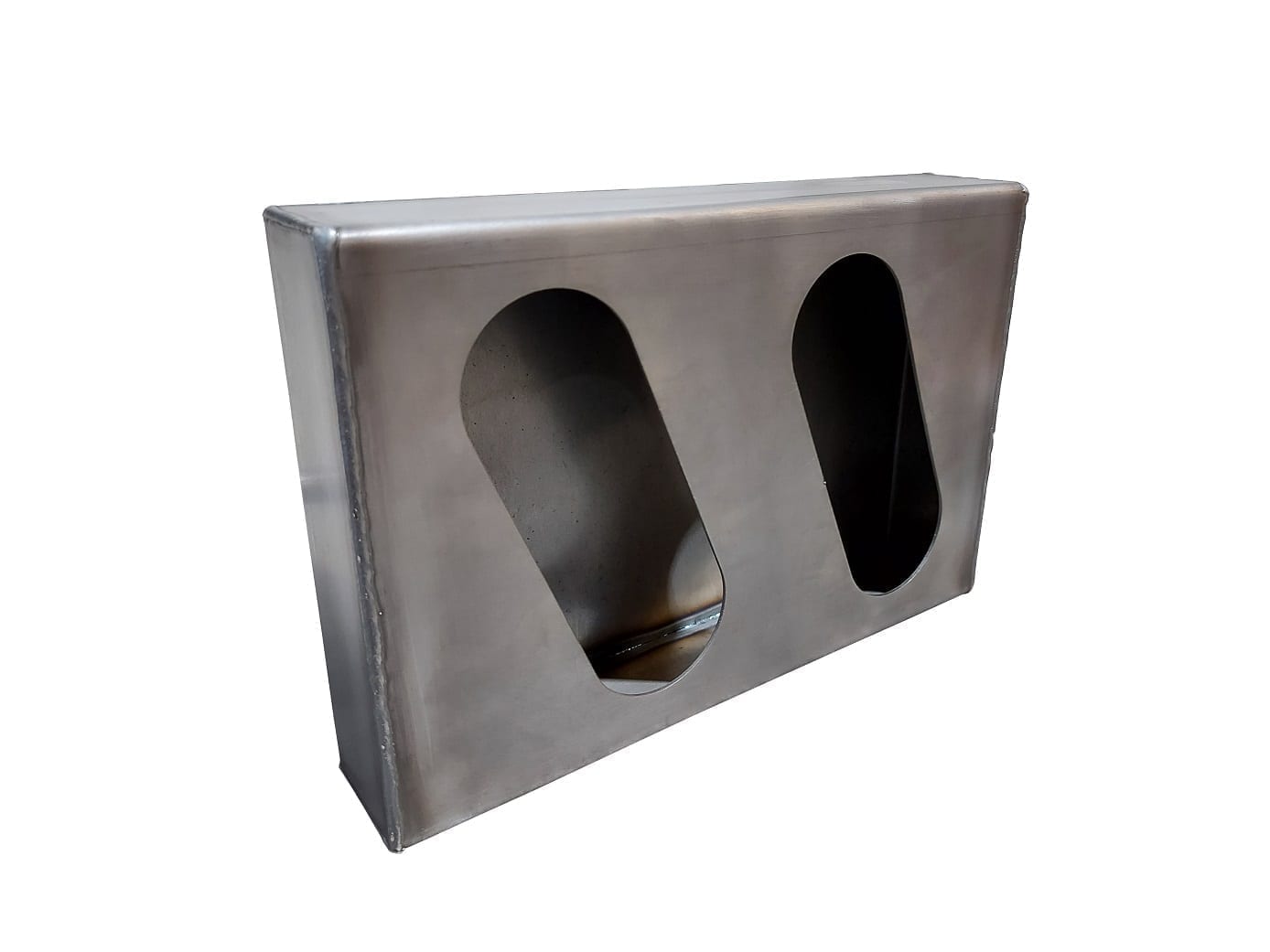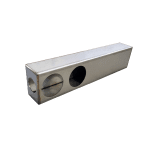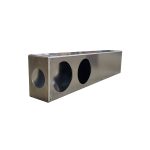
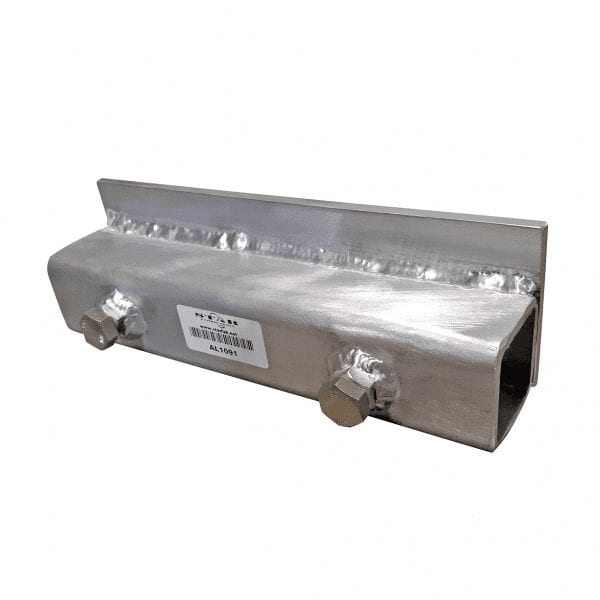
The performance of commercial truck lighting depends on more than just the lights themselves. A strong, dependable mounting system is essential for keeping cab guard lights secure, properly aligned, and ready to withstand the demands of the road. That’s why quality receiver tubes play such an important role in a reliable lighting setup.
At Star Fabrication, we have been manufacturing truck lighting and transportation accessories since 1992, with a focus on delivering products designed to withstand harsh working environments. Our receiver tubes for cab guard light applications are designed for durability, ease of installation, and long-term performance, so whether you’re outfitting a new headache rack or replacing worn components, these products provide a dependable solution that’s built for the realities of the transportation industry.
How Our Receiver Tubes Are Engineered to Outperform
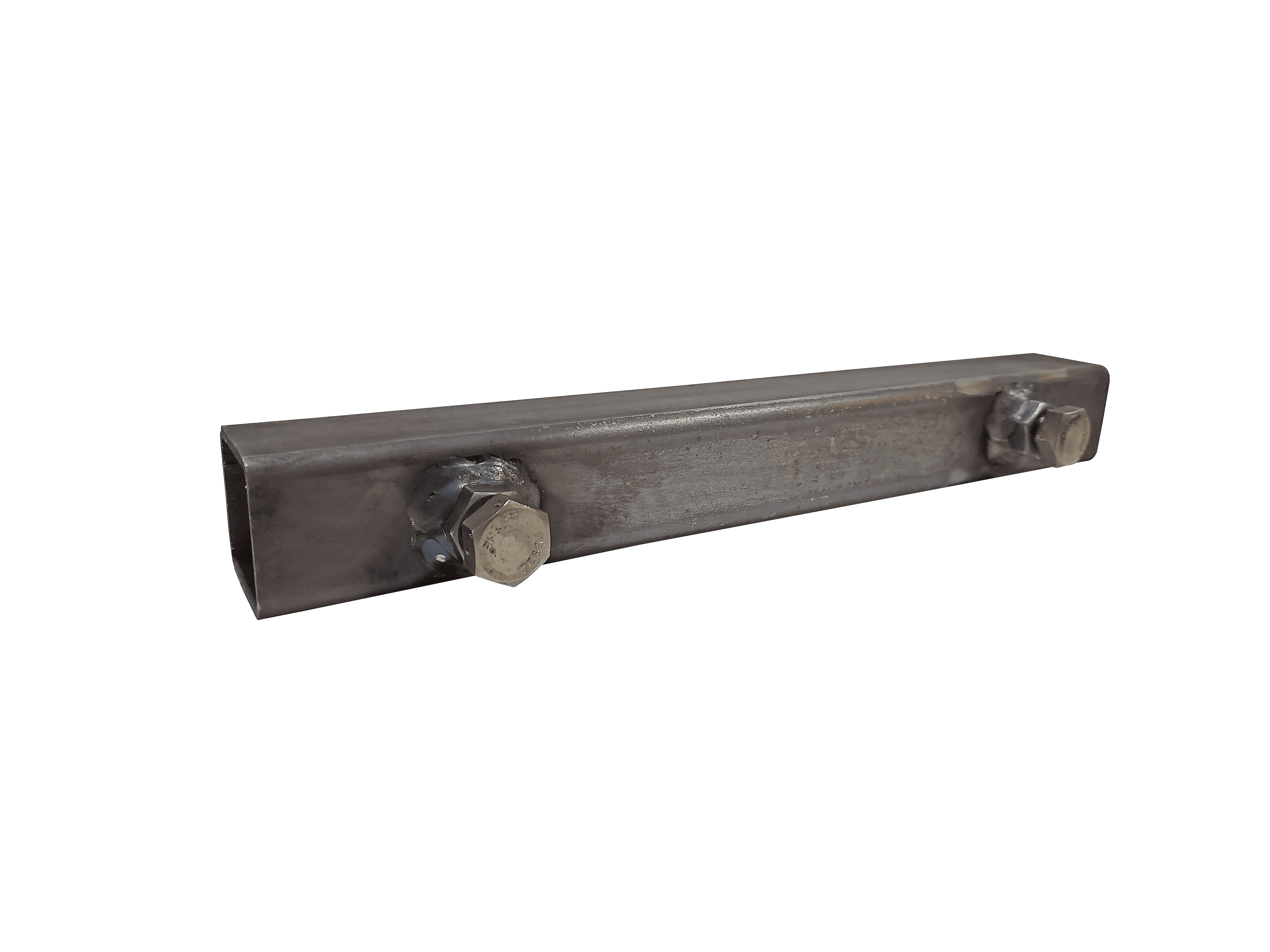
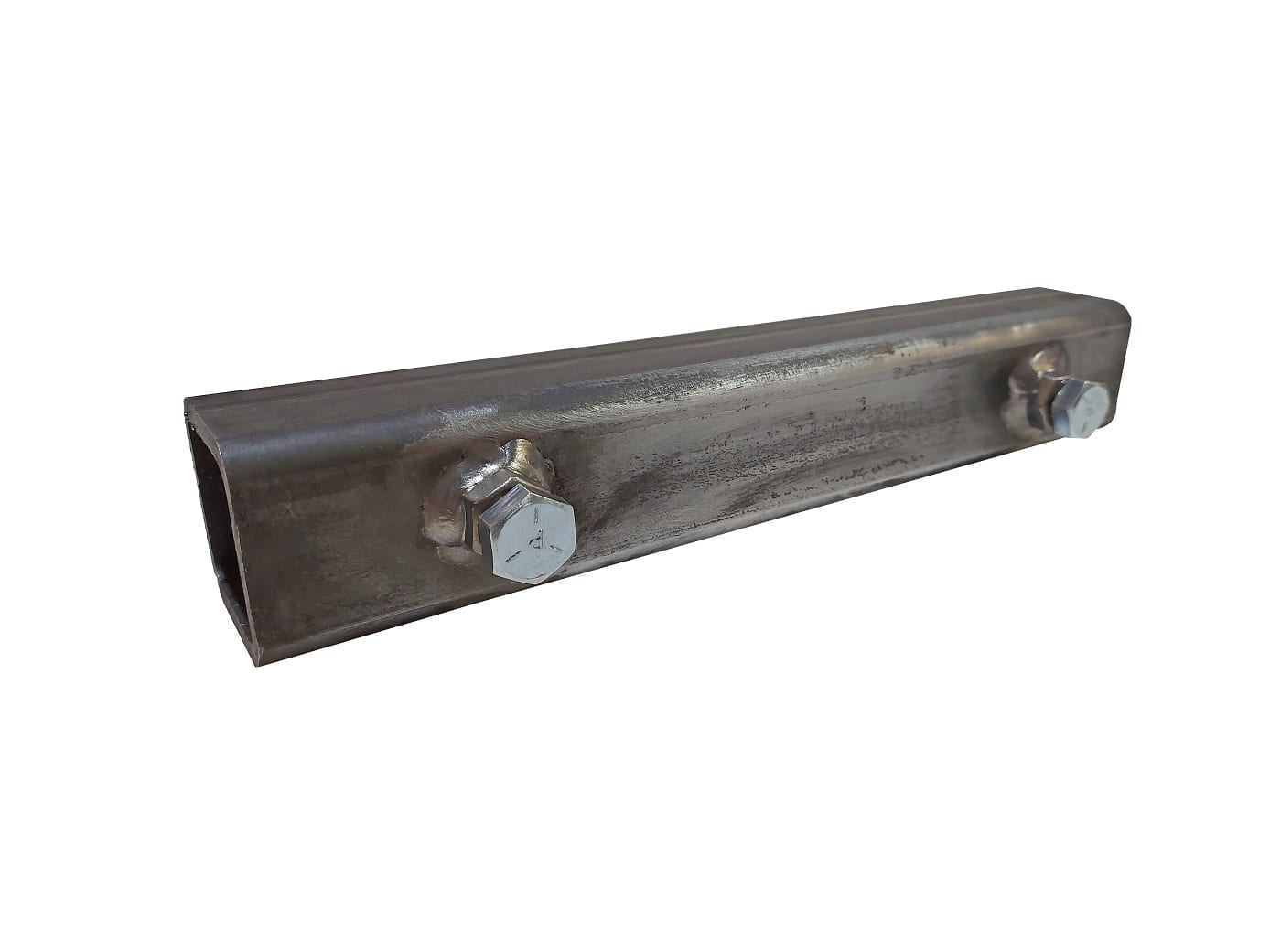
Commercial trucks face constant exposure to vibration, road debris, moisture, and extreme weather, which is why a receiver tube needs to do more than simply hold a light in place, it needs to perform mile after mile. Our receiver tubes for cab guard light systems are manufactured to provide that secure fit while maintaining the rugged reliability professional truck operators depend on. Available in steel and aluminum configurations, these receiver tubes are designed to integrate seamlessly with compatible cab guard and headache rack setups. Additionally, our receiver tube products are designed to slip over designated cab guard tubes or can be welded on or bolted to headache racks, depending on what is needed for your trucking operation. Regardless, the result is a mounting solution that helps maintain proper light positioning, reduces movement, and supports reliable operation in challenging road conditions.
DOT and FMCSA Lighting Compliance Requirements
The visibility of commercial vehicles is an important part of road safety. This is why The Federal Motor Carrier Safety Administration (FMCSA) and the Department of Transportation (DOT) have established regulations governing vehicle lighting placement and maintenance. While receiver tubes themselves are not regulated components, they support compliance by helping cab guard lights remain securely mounted and properly positioned, as loose, damaged, or misaligned lighting assemblies can create visibility issues and potentially lead to inspection concerns.
Both drivers and fleet operators should regularly evaluate their lighting systems during routine maintenance and pre-trip inspections to ensure that all mounting hardware, receiver tubes, and light assemblies remain in good working order.
FAQs
How do I ensure my cab guard light receiver tubes meet FMCSA and DOT lighting regulations?
The receiver tube should securely support approved lighting equipment and maintain proper positioning. We recommend regular inspections to help verify that lights remain visible, functional, and correctly mounted.
What gauge of steel is used in heavy-duty receiver tubes for cab guard lights on commercial trucks?
Material specifications can vary by application, however, heavy-duty receiver tubes are typically manufactured using durable steel, as it’s designed to withstand vibration, weather exposure, and daily commercial use.
Can I order custom-dimension receiver tubes for a non-standard cab guard configuration?
Many truck operators require custom solutions for unique headache rack or cab guard setups. Please contact our Star Fabrication team directly to discuss available customization options and compatibility requirements.
How do I install receiver tubes on a cab guard light bar without specialized tools?
Many receiver tube installations can be completed using standard shop tools. Depending on the design, installation may involve bolting or welding the receiver tube to the cab guard or headache rack. Be sure to always follow manufacturer recommendations.
What is the correct inner diameter tolerance for a receiver tube used with a rubber-grommet housing?
The correct tolerance depends on the specific light housing and grommet being used. However, a proper fit should allow secure installation while minimizing excessive movement.
How does 304 2B stainless steel protect the cab guard light receiver tubes from road salt corrosion?
304 stainless steel offers excellent resistance to corrosion caused by moisture, road salt, and environmental exposure, making it a popular material choice for transportation equipment operating in more demanding climates.
Can the cab guard light receiver tubes be used in extreme cold without becoming brittle?
Quality steel and aluminum receiver tubes are designed for transportation applications where freezing temperatures are common. Properly manufactured components will maintain their structural integrity in these cold-weather environments.
How often should cab guard light receiver tubes be inspected during a DVIR or pre-trip inspection?
Receiver tubes should be visually assessed during every pre-trip inspection and Driver Vehicle Inspection Report (DVIR) process. We recommend that you look for signs of corrosion, cracking, loose mounting hardware, or damage that could affect light performance or safety.