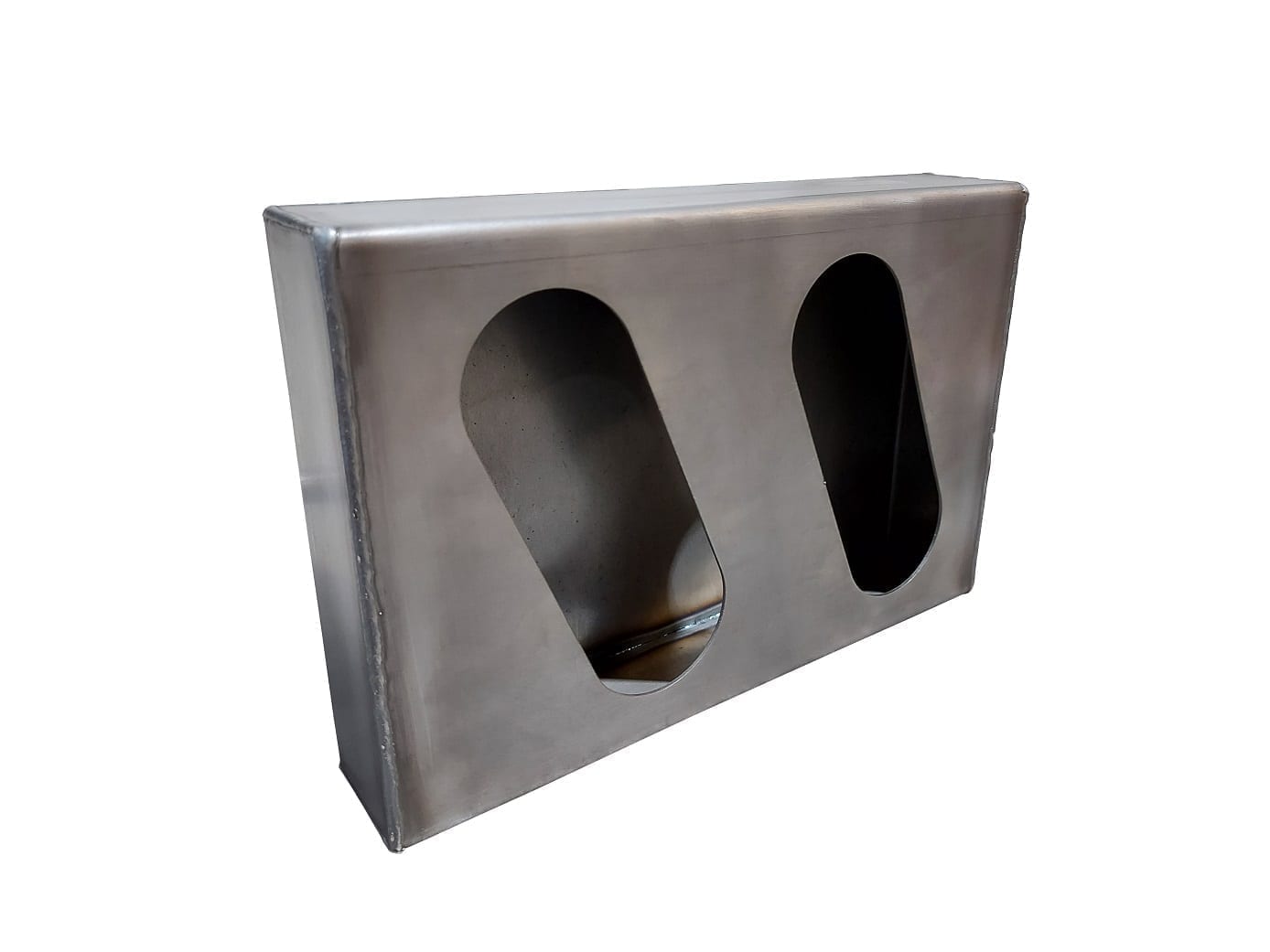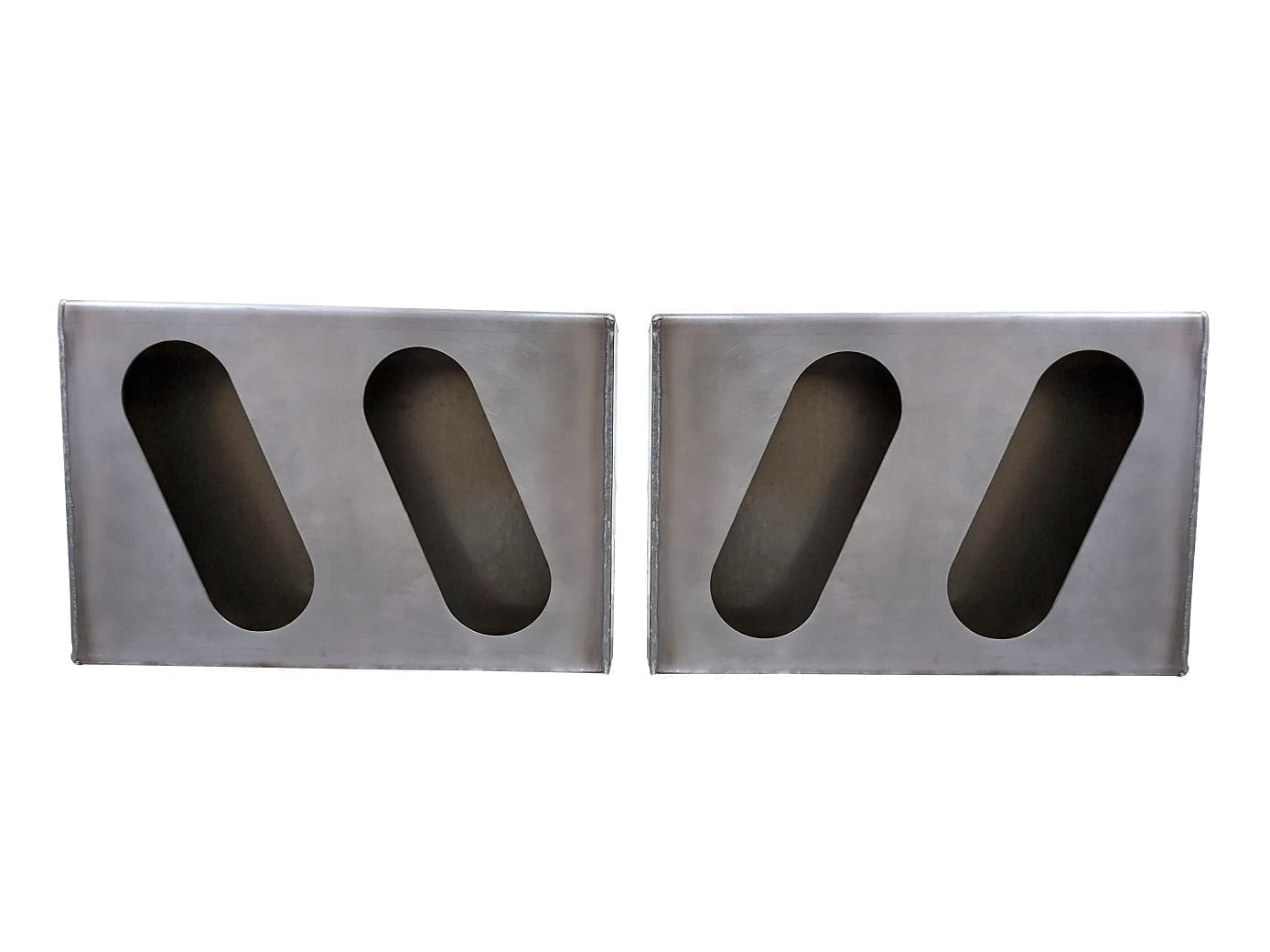
When you’re hauling oversized equipment, lighting systems take more abuse than most trailer components. Between highway vibration, weather exposure, debris strikes, and repeated extension cycles, poorly built light arms tend to loosen, crack, or fail long before the trailer itself. That’s why contractors, heavy-haul operators, and fleet managers rely on durable swing-out and pull-out systems designed for real-world transport conditions.
Read More…
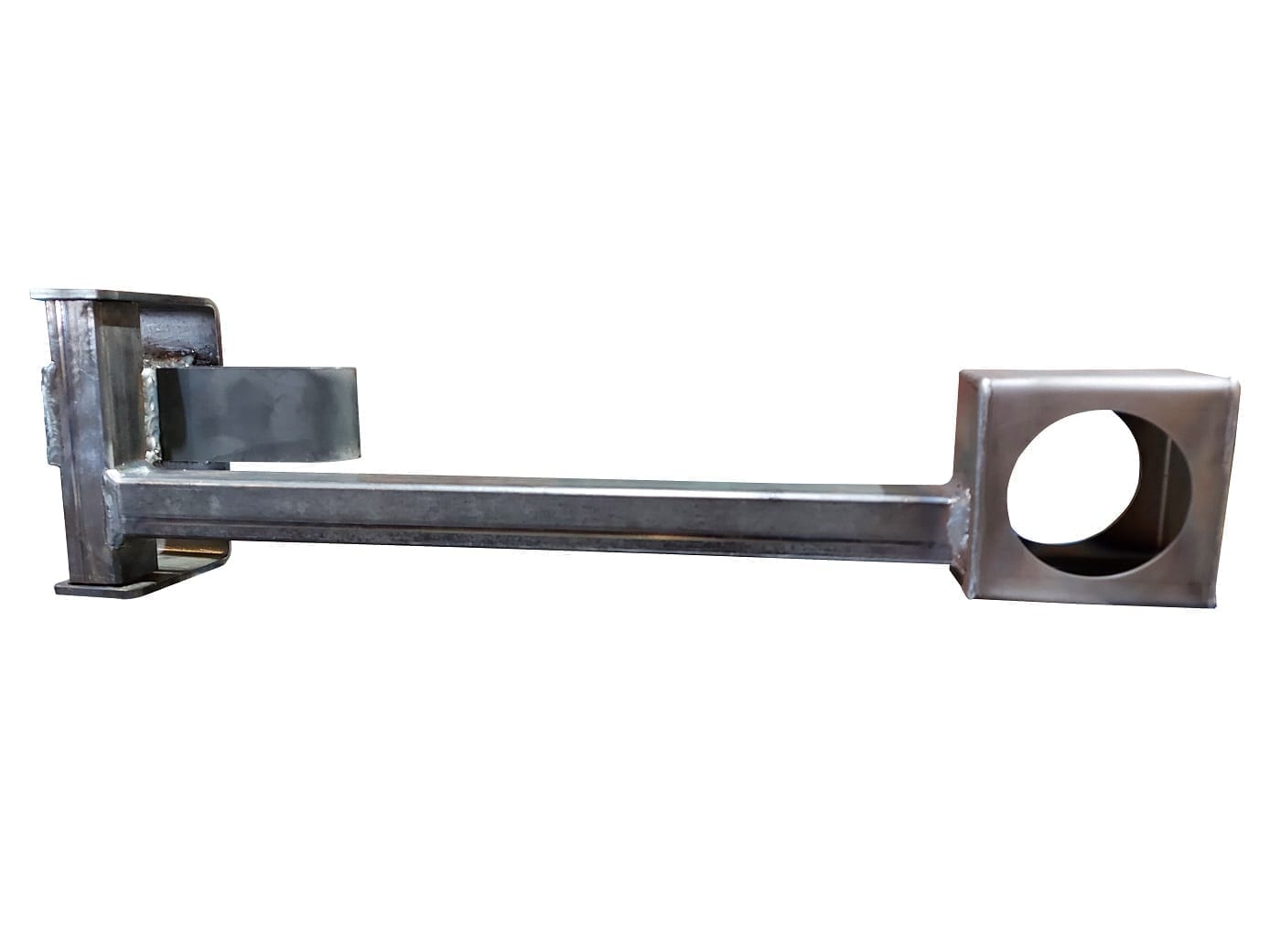
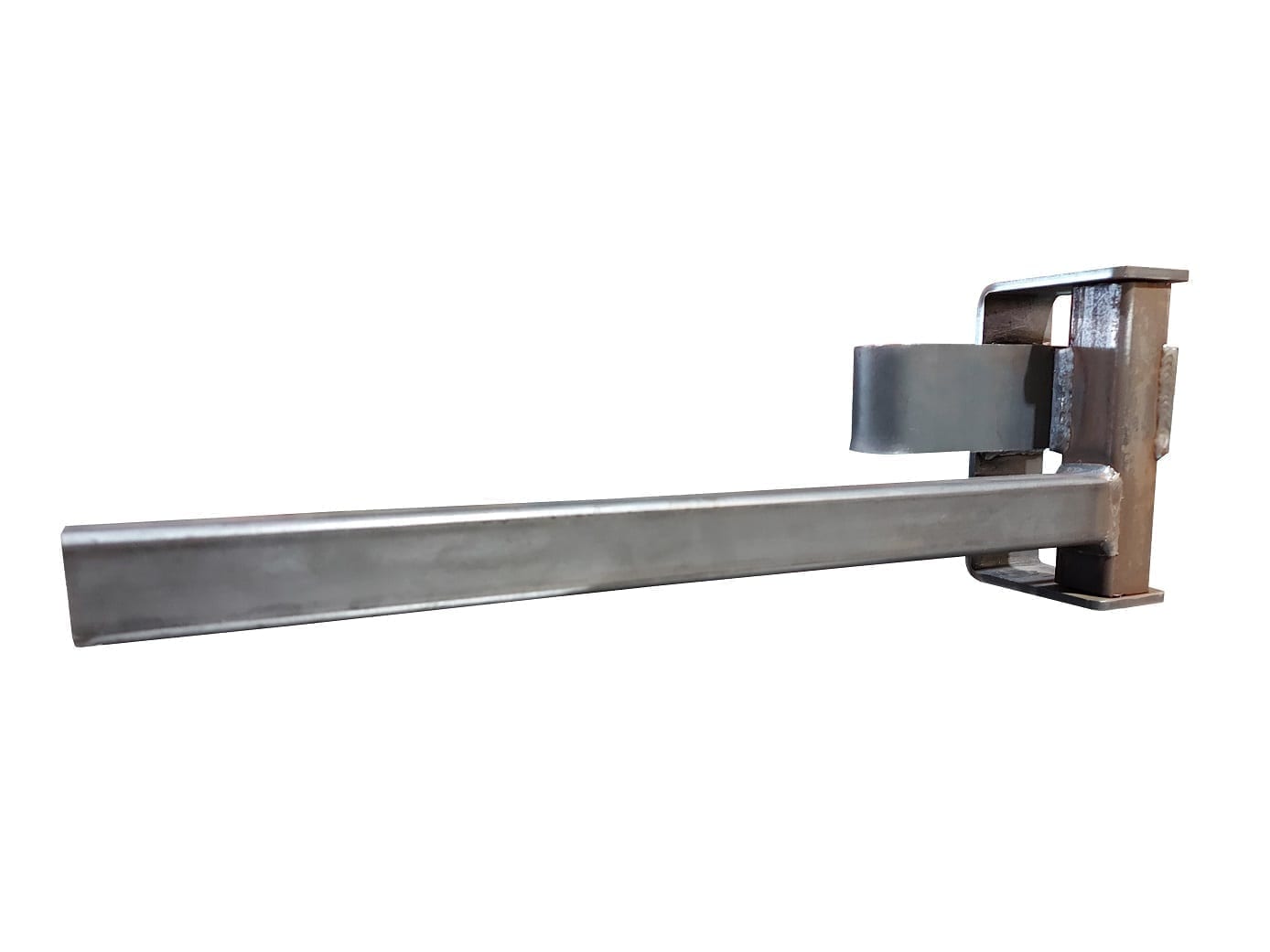
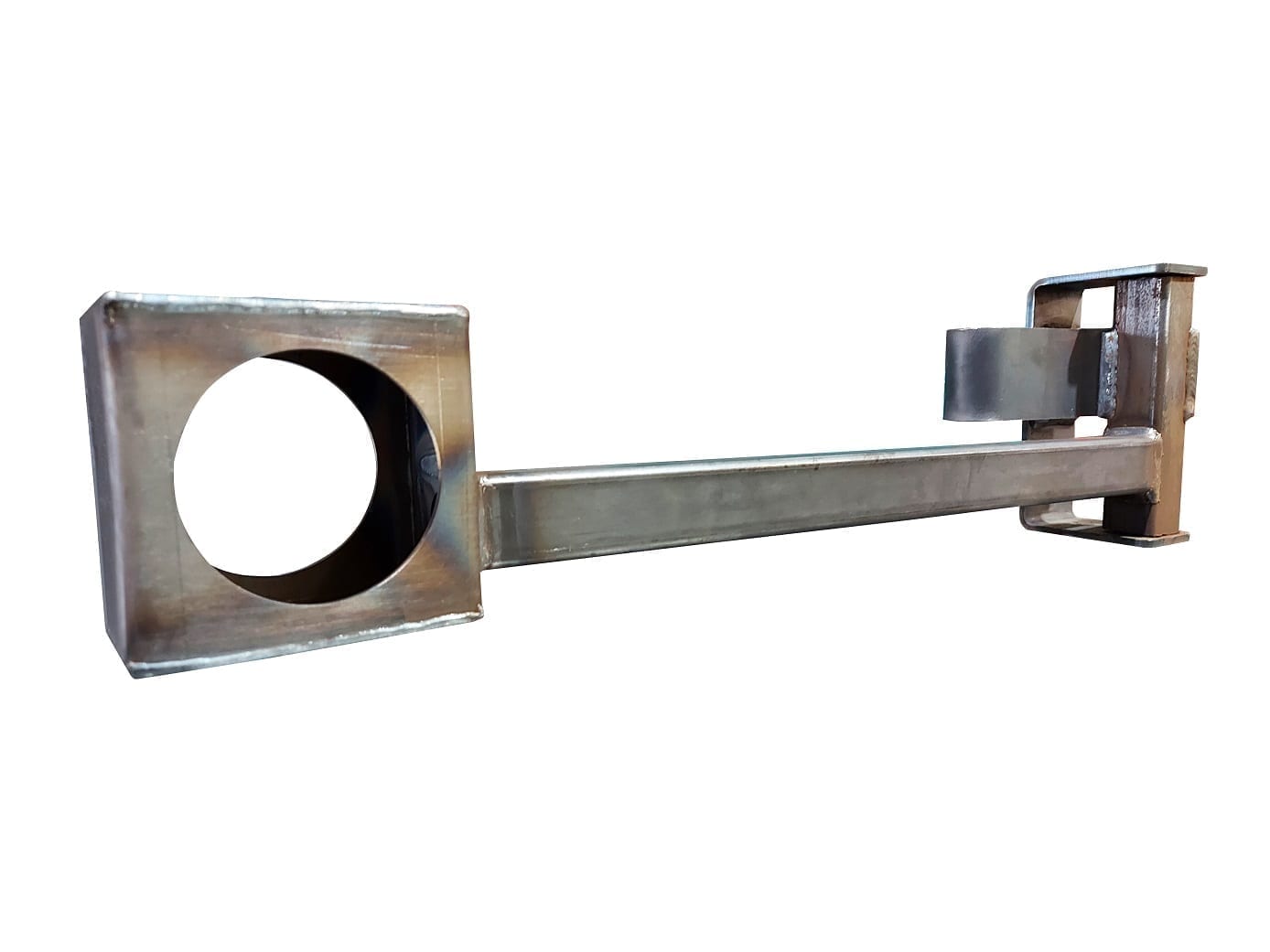
At Star Fabrication, our truck light arms are built for operators who need dependable visibility and compliance without constant repairs or replacement parts. Whether you need a trailer swing out assembly for wide agricultural equipment or pull out lights for a lowboy hauling oversized machinery, every system is fabricated to withstand demanding commercial use.
Which Light Arm Configuration Is Right for Your Trailer?
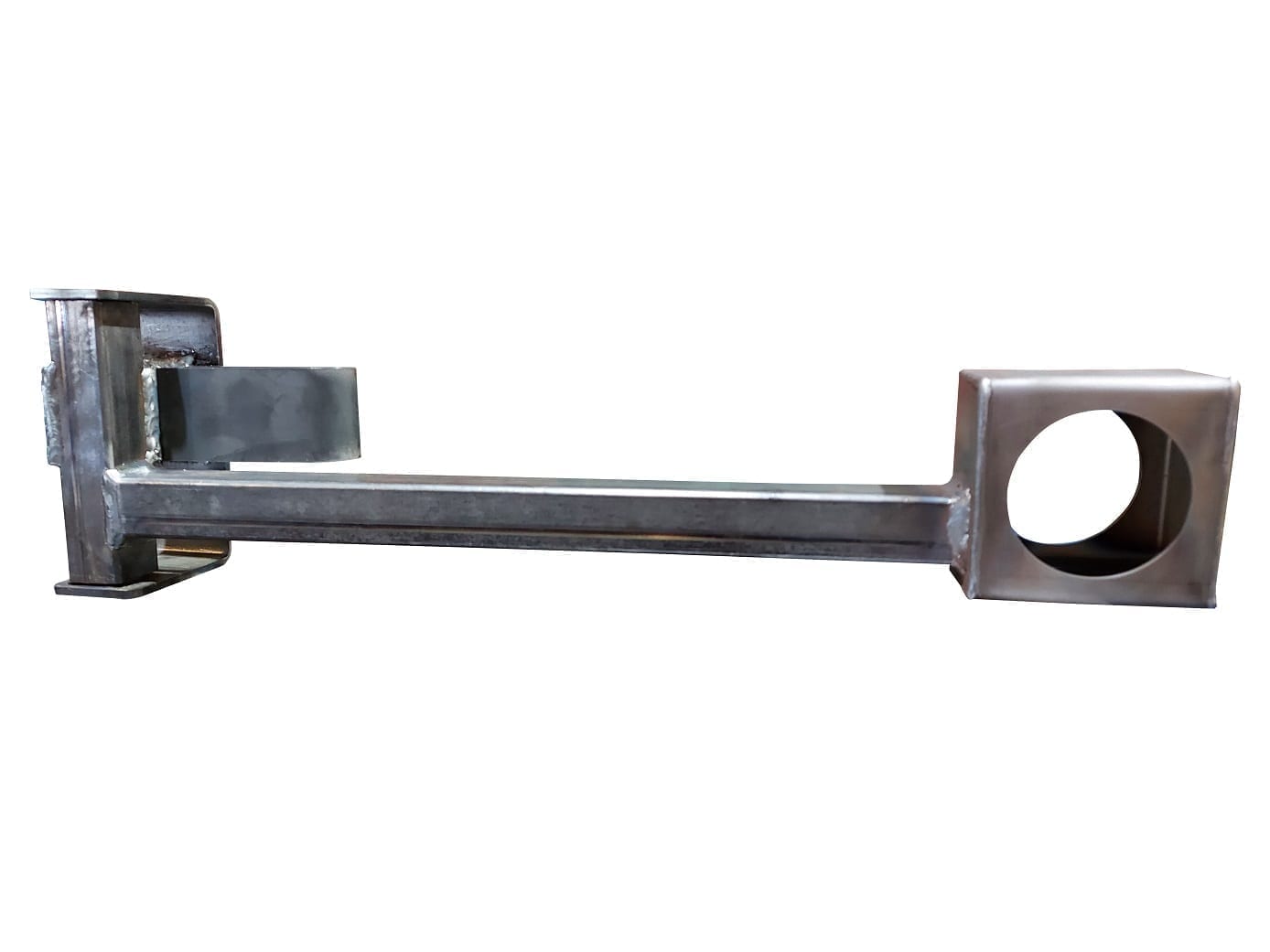
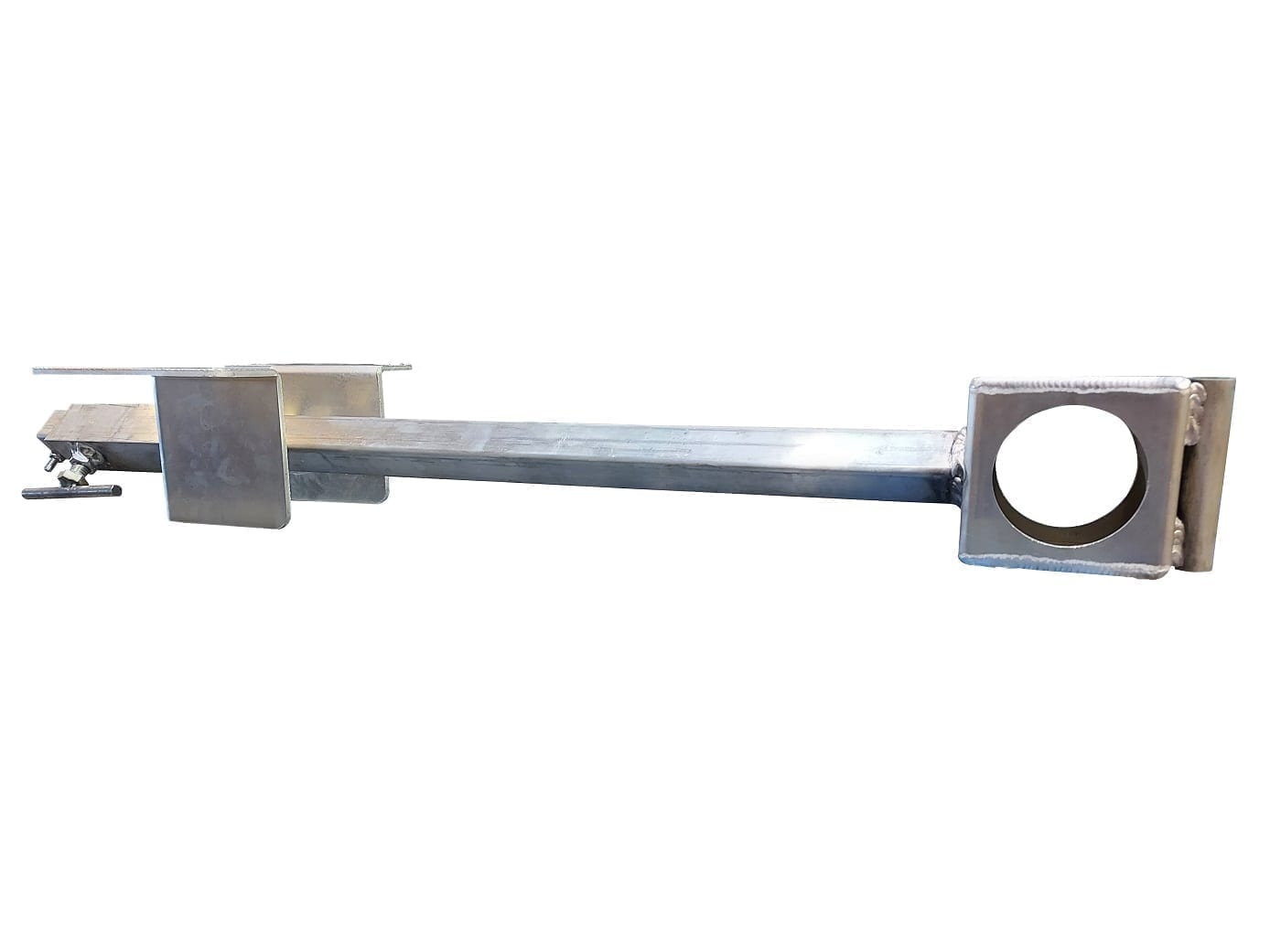
The right configuration depends on how your trailer operates, the load widths you regularly transport, and how often lighting systems need to be adjusted. For instance, a trailer swing out setup is ideal for operators who frequently change trailer width configurations. Swing-out arms pivot outward quickly and provide consistent positioning for wide load lights when hauling oversized equipment. They’re commonly used on lowboys, detachable goosenecks, and trailers transporting construction or agricultural machinery because they allow for fast deployment without removing components entirely.
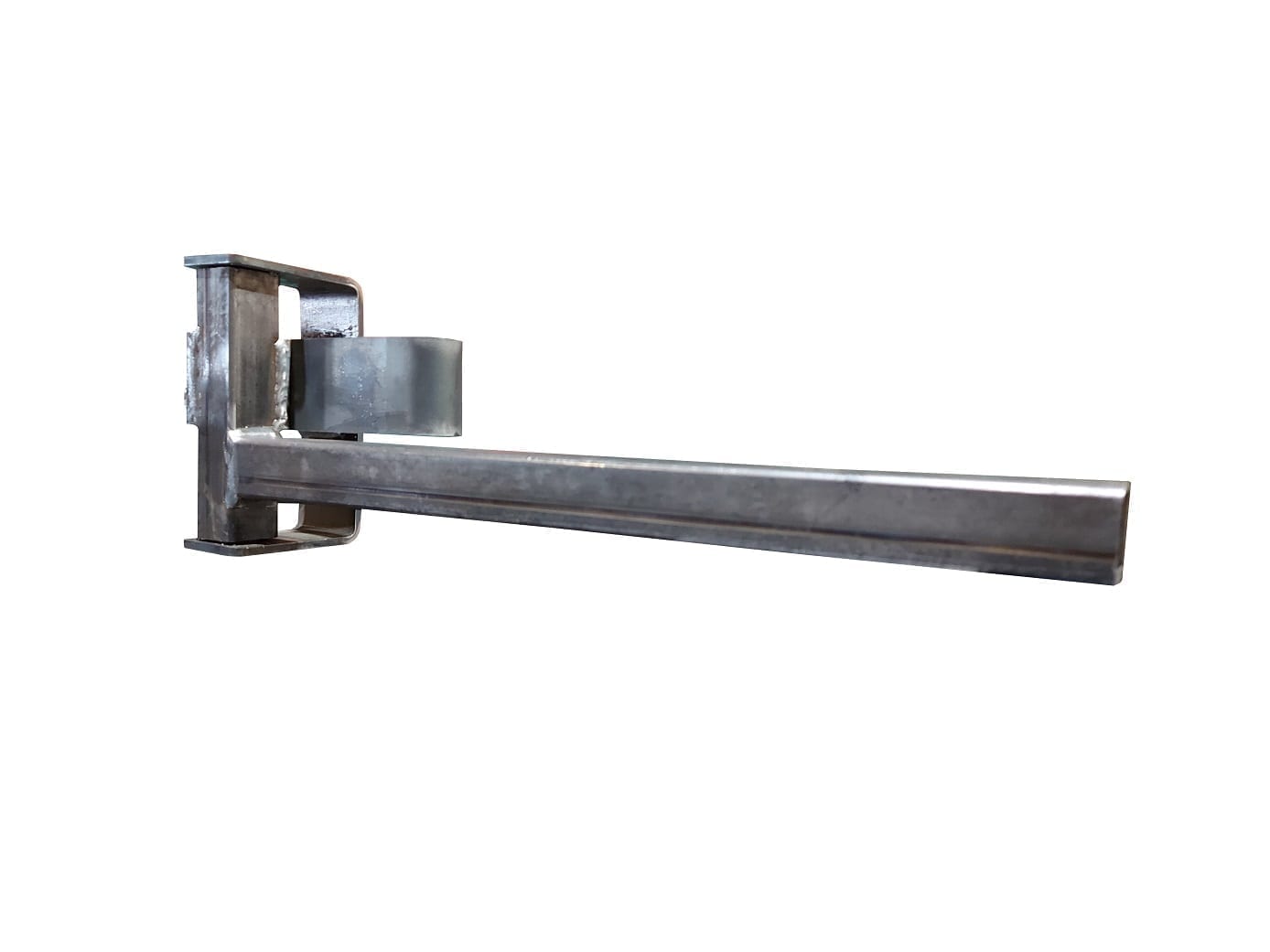
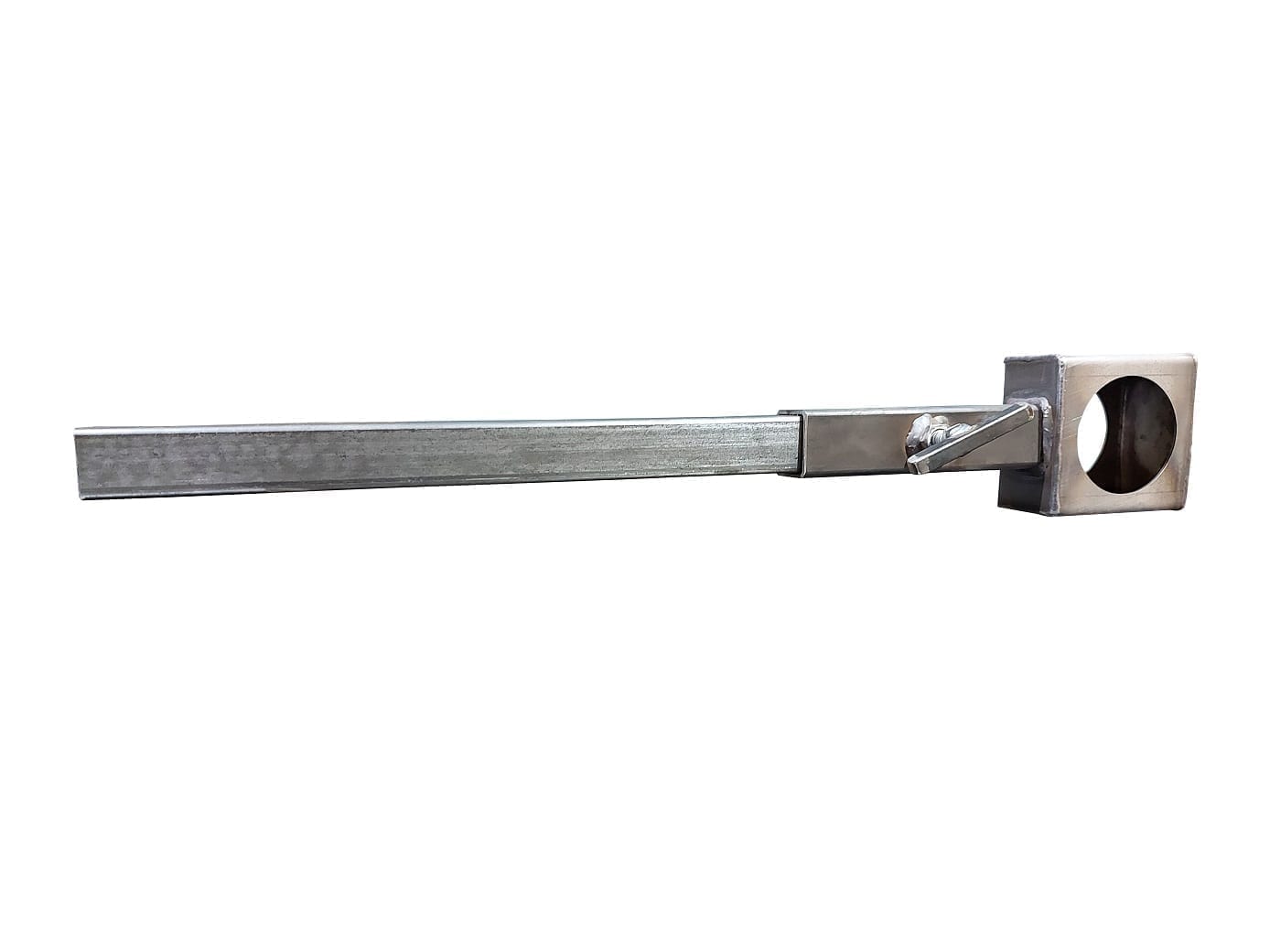
On the other hand, pull out lights are often preferred when a more compact profile is needed during standard-width hauling. Instead of pivoting outward, the arm slides horizontally from the trailer frame to extend the lighting position only when required. This makes pull out light systems especially practical for fleets that alternate between legal-width and oversize loads throughout the week.
However, for fleets prioritizing speed and convenience, spring-loaded swing systems can reduce setup time during loading and unloading. Operators looking for a simpler locking mechanism may prefer T-bolt pull-out systems that hold their position securely during long-distance hauling.
Why Our Truck Light Arms Outlast the Competition
Many light arm failures begin with weak fabrication methods, thin-gauge steel, or poor weld consistency. Over time, constant road vibration creates stress fractures around mounting points, locking tabs, and grommet openings. Yet, our truck light arms are fabricated with durability as the primary design focus. With reinforced construction helping minimize flex under vibration while maintaining proper light positioning across rough highways and gravel roads, this type of precision fabrication also improves alignment and reduces unnecessary wear during extension and retraction.
Another common failure point involves corrosion. Water intrusion inside poorly sealed tubing can accelerate rust from the inside out, especially in regions exposed to road salt and wet operating conditions. However, high-quality fabrication and finishing methods help to reduce any premature deterioration and extend the service life in demanding environments.
The difference becomes noticeable after years of repeated use. Instead of warped extensions, loose locking systems, or damaged mounting holes, professionally fabricated systems continue operating with minimal maintenance even under daily hauling conditions.
How Our Wide Load Lights Satisfy Oversized Load Regulations
Oversized hauling regulations place strict requirements on light visibility and placement. That is why properly positioned wide load lights help improve safety for surrounding traffic while keeping operators compliant during transport. In particular, light arms must maintain symmetrical placement and sufficient visibility from the rear of the trailer, as incorrect positioning can reduce visibility during night hauling or create issues during roadside inspections.
Our systems are designed to support proper mounting distances and stable light positioning during transport. Whether using a trailer swing out configuration or retractable pull out lights, operators can maintain the visibility required for oversized load applications without relying on temporary or unstable mounting solutions. These durable retention systems also help prevent unwanted movement during transportm, this matters because shifting light positions can create inconsistent visibility angles or damage wiring over time. As a result, fleets operating across multiple jurisdictions heavily rely on dependable wide load lights to provide confidence during long-distance hauling where compliance standards are consistently enforced.
FAQs
What is the difference between a spring-loaded swing-out light arm and a T-bolt pull-out light arm?
A spring-loaded trailer swing out arm pivots outward quickly using spring tension for faster deployment and repositioning. A T-bolt pull out light system slides horizontally from the trailer frame and locks into place manually using a bolt mechanism. Swing-out systems are often preferred for speed, while pull-out systems offer a more compact stored position.
What gauge steel should pull-out lights and truck light arms be fabricated from to withstand highway vibration and debris impact?
Commercial-grade truck light arms should be fabricated from heavy-duty steel capable of resisting vibration fatigue and impact from road debris. Thin materials may flex excessively over time, leading to cracking around welds and mounting points. Heavier-gauge steel improves long-term structural stability, especially on trailers operating in construction, agricultural, or heavy-haul environments.
Why do pull-out light arm rubber grommets fail prematurely, and how does the fabrication process affect grommet retention?
Rubber grommets often fail because of inconsistent cut tolerances, rough edges, or excessive vibration caused by weak fabrication. Poorly sized openings allow movement that gradually loosens the grommet and damages wiring retention. Precision fabrication creates cleaner mounting surfaces that help wide load lights remain secure during repeated highway use.
Can I get custom-length trailer swing-out light arms fabricated for non-standard oversize load widths?
Yes, custom fabrication allows operators to match light arm extensions to specialized trailer dimensions and oversized equipment requirements. This is especially useful for fleets hauling non-standard agricultural, industrial, or heavy construction loads that exceed conventional trailer widths.
Do Star Fabrication’s wide load light arms meet FMVSS 108 symmetrical placement requirements for oversize loads?
Star Fabrication designs wide load lights and truck light arms to support proper symmetrical placement and visibility requirements commonly associated with FMVSS 108 standards for oversized hauling applications. Proper installation and trailer configuration also play an important role in overall compliance.