
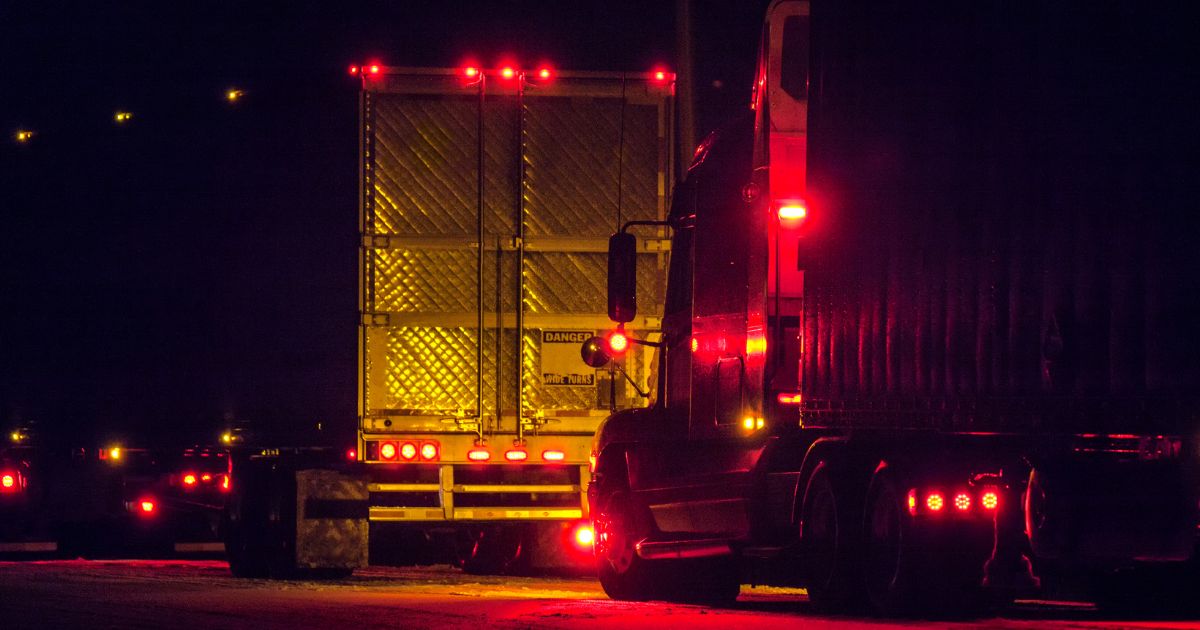
Trailer lighting is one of the most frequently inspected and most frequently cited areas of commercial vehicle compliance. Whether you’re operating a flatbed, dry van, lowboy, utility trailer, or specialized equipment trailer, understanding DOT trailer lighting requirements is critical for safety, regulatory compliance, and liability protection.
Since proper trailer lighting allows other motorists to identify your vehicle’s size, direction of travel, braking activity, and overall presence on the roadway, a single failed light can result in roadside violations. Our guide below covers current trailer lighting requirements, inspection best practices, and how our durable lighting protection solutions can best assist fleets in reducing their maintenance costs.
DOT and FMCSA Trailer Lighting Requirements
In the United States, trailer lighting regulations are governed primarily through the Federal Motor Vehicle Safety Standards (FMVSS) and enforced through DOT and FMCSA inspection programs. Whereas Canada maintains similar requirements through Transport Canada and the Canadian Motor Vehicle Safety Standards (CMVSS).
US Federal Standards for Trailer Lighting Laws and Regulations
The primary federal standard governing commercial trailer lighting is FMVSS 108, which establishes requirements for lamps, reflective devices, and associated equipment. Under these regulations, commercial trailers must utilize properly positioned lighting systems that communicate vehicle width, length, braking, turning, and visibility to other road users.
DOT-approved trailer lights must remain operational, unobstructed, and visible from specified distances. Lighting systems must also meet applicable color requirements and placement standards. And, in addition to federal requirements, individual states may impose supplemental trailer light laws and inspection requirements.
Transport Canada / Canadian Motor Vehicle Safety Standards
For Canadian operators, trailer lighting requirements are governed by CMVSS regulations, which closely mirror FMVSS 108 requirements. Commercial trailers operating across provincial and international borders must maintain compliant lighting systems that meet visibility, placement, and performance standards. For fleets operating throughout North America, maintaining a unified lighting compliance program helps simplify inspections and maintenance planning.
Compliance and the Liability of Lighting Failures
Lighting failures create more than inspection concerns. A missing marker light, failed brake light, or damaged taillight can significantly increase accident risk by reducing vehicle visibility and limiting communication with surrounding drivers. Additionally, following a collision, investigators frequently review vehicle maintenance records and pre-trip inspection documentation. Demonstrating compliance with DOT lighting requirements for trailers helps to reduce liability exposure and support defensible maintenance practices.
Complete DOT Trailer Lighting Requirements
The following table summarizes common commercial trailer lighting requirements.
| Light/Lamp Type | Required Color | Min Quantity | Min Visibility | Placement | Applies To | Law/Regulation Reference |
| Tail Lamps | Red | 2 | 500 ft | Rear | All trailers | FMVSS 108 |
| Stop Lamps (Brake Lights) | Red | 2 | 300 ft+ | Rear | All trailers | FMVSS 108 |
| Turn Signal Lamps | Red or Amber | 2 | 300 ft+ | Rear | All trailers | FMVSS 108 |
| Rear Reflex Reflectors | Red | 2 | Required | Rear | All trailers | FMVSS 108 |
| Side Marker Lamps | Amber Front / Red Rear | 2+ | Required | Side | Most trailers | FMVSS 108 |
| Clearance Lamps | Amber Front / Red Rear | 2 Front, 2 Rear | Required | Vehicle extremities | Trailers 80″+ wide | FMVSS 108 |
| Identification Lamps | Red | 3 | Required | Upper rear center | Trailers 80″+ wide | FMVSS 108 |
| License Plate Lamp | White | 1 | Required | Rear | Registered trailers | FMVSS 108 |
| Conspicuity Tape | Red/White | As Required | Required | Sides and rear | Most commercial trailers | FMCSA/FMVSS |
Fleet operators should always verify vehicle-specific requirements based on trailer size, width, GVWR, and operating jurisdiction.
Flatbed Truck Lighting Requirements
Flatbed truck lighting requirements often exceed minimum trailer standards because cargo configurations can create visibility challenges.
Flatbeds commonly require:
- Properly functioning side marker lights on trailers
- Clearance lights for trailer width identification
- Rear identification lamps
- DOT conspicuity tape
- Protected lighting systems to reduce damage from cargo loading
Cargo that obstructs required lighting should be addressed before operation. Drivers need to ensure that oversized loads, tarping systems, and equipment do not block required lamps or reflective devices. Additionally, for heavy-haul and construction applications, lighting protection becomes especially important due to increased exposure to debris, chains, binders, and loading equipment.
Pre-Trip Trailer Lighting Inspection Checklist for Lighting Compliance
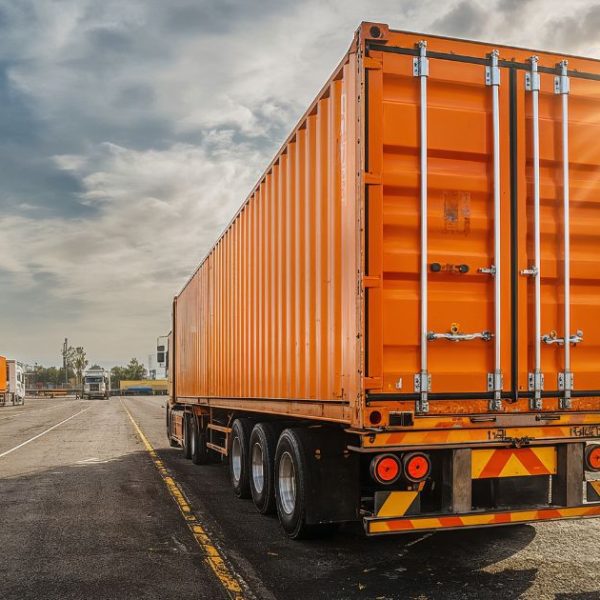
A thorough pre-trip inspection is one of the best ways to prevent violations and improve overall safety.
We recommend that drivers verify:
- Tail lights functioning properly
- Brake lights operational
- Turn signals functioning
- Side marker lights illuminated
- Clearance lights working
- License plate light operational
- Wiring secured and protected
- No cracked lenses
- No moisture intrusion
- Reflective tape intact
- Light boxes securely mounted
- Electrical connections free of corrosion
Many fleets incorporate lighting checks into both pre-trip and post-trip inspection routines to identify issues before they become violations.
Trailer Lights Maintenance Interval Planning
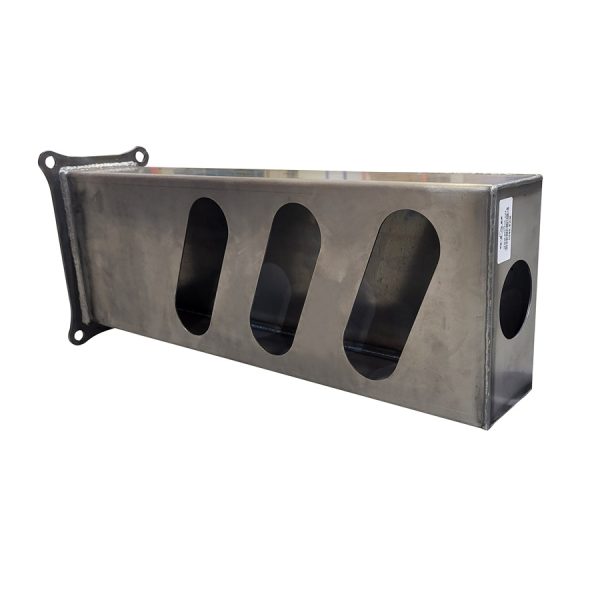
Rather than waiting for failures to occur, successful fleets will implement scheduled lighting inspections.
Our recommended maintenance practices include:
- Weekly visual inspections
- Monthly wiring inspections
- Quarterly connector testing
- Seasonal corrosion prevention programs
- Immediate replacement of damaged lenses
Consider that preventive maintenance significantly reduces roadside violations and unexpected repairs.
Star Fabrication Heavy Duty Light Boxes and Lighting
-
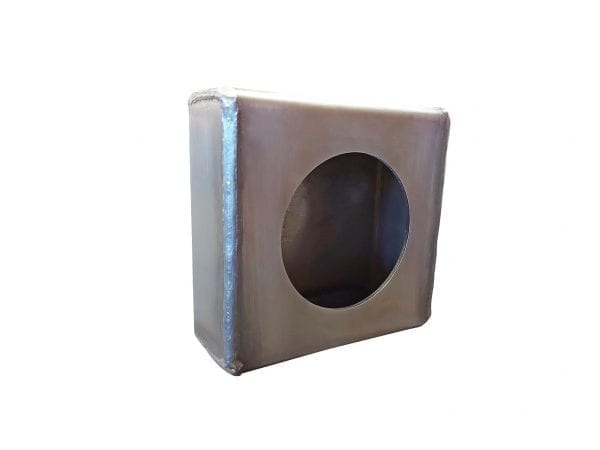
2 Inch Single Marker Light Box
$27.89CAD -
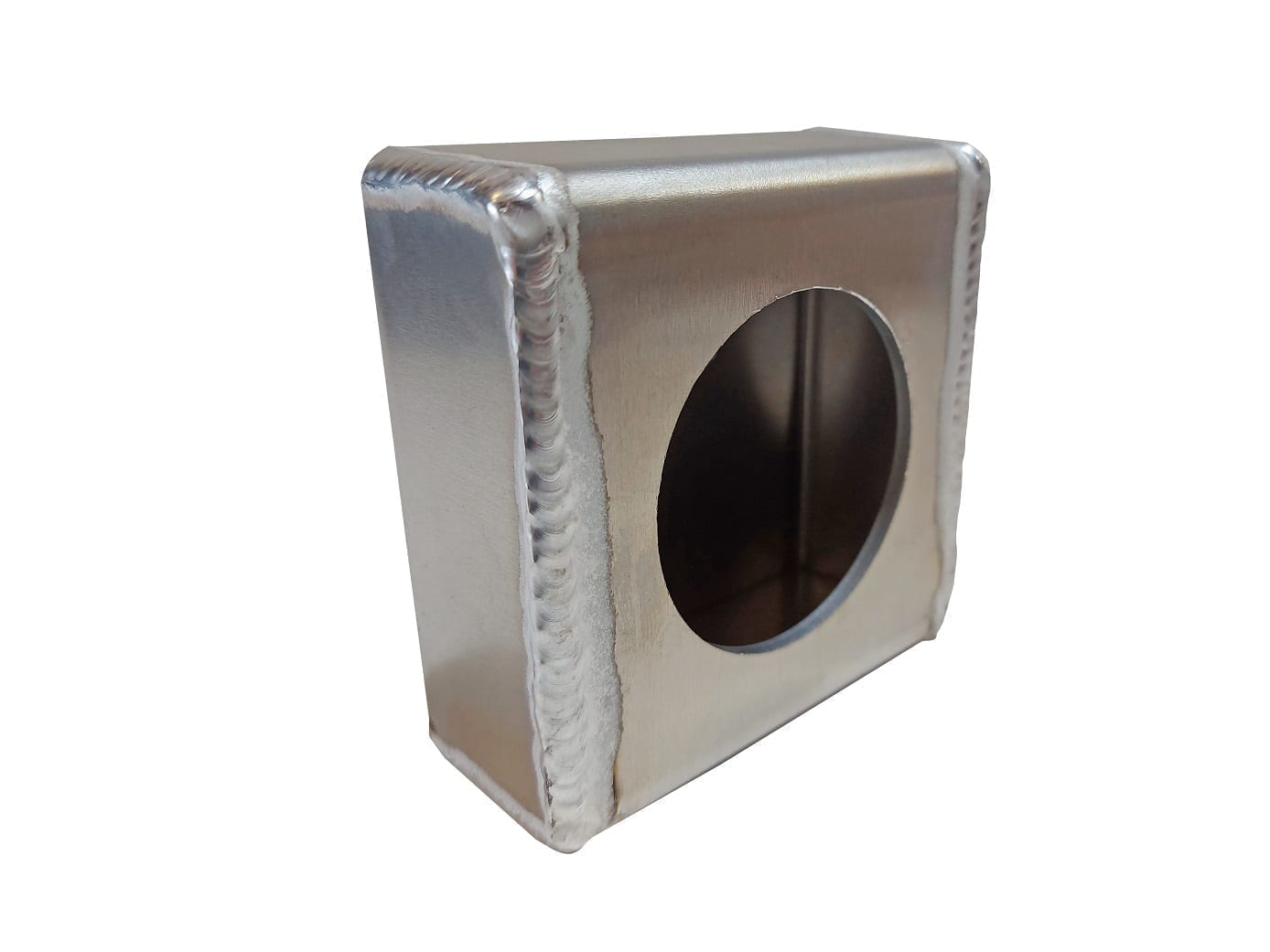
2″ Single Marker Light Box, Aluminum
$52.88CAD -
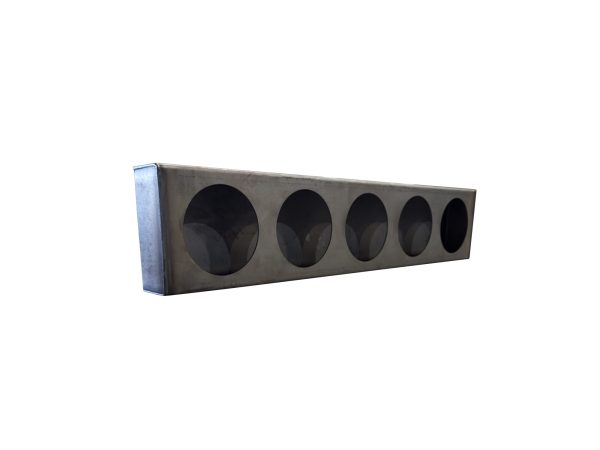
5-Hole 4 Inch Round Tail / Signal Light Box
$125.88CAD -
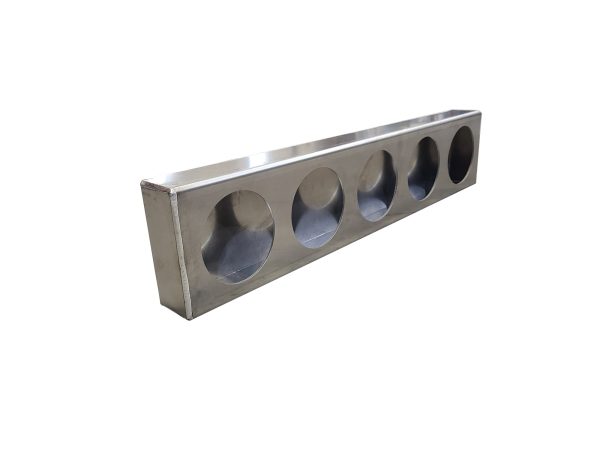
5-Hole 4 Inch Round Tail Light Box, Aluminum
$249.87CAD -
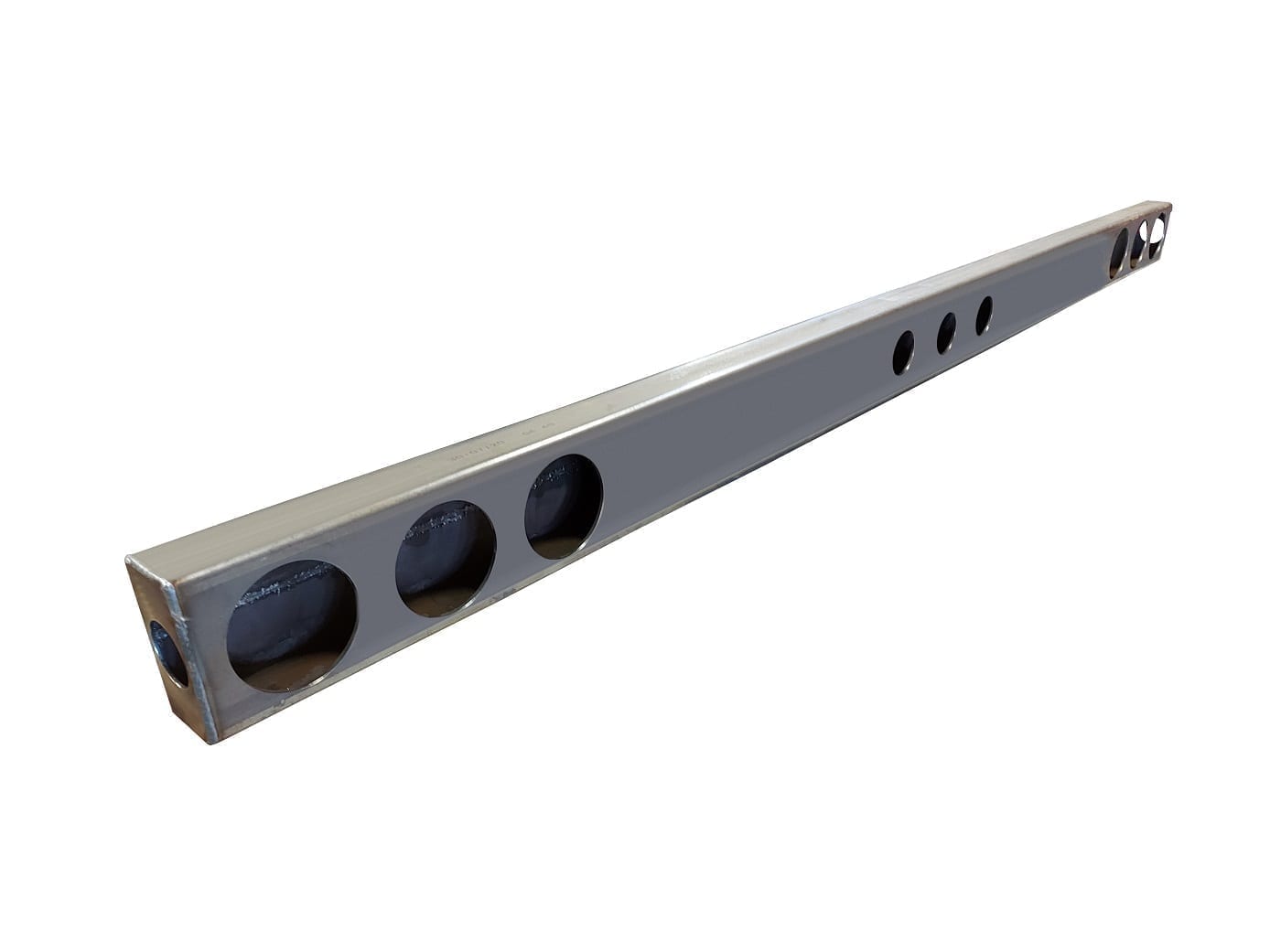
8’6″ Light Bar for 6 4″ and 3 2.5″ Face Lamps
$809.28CAD -
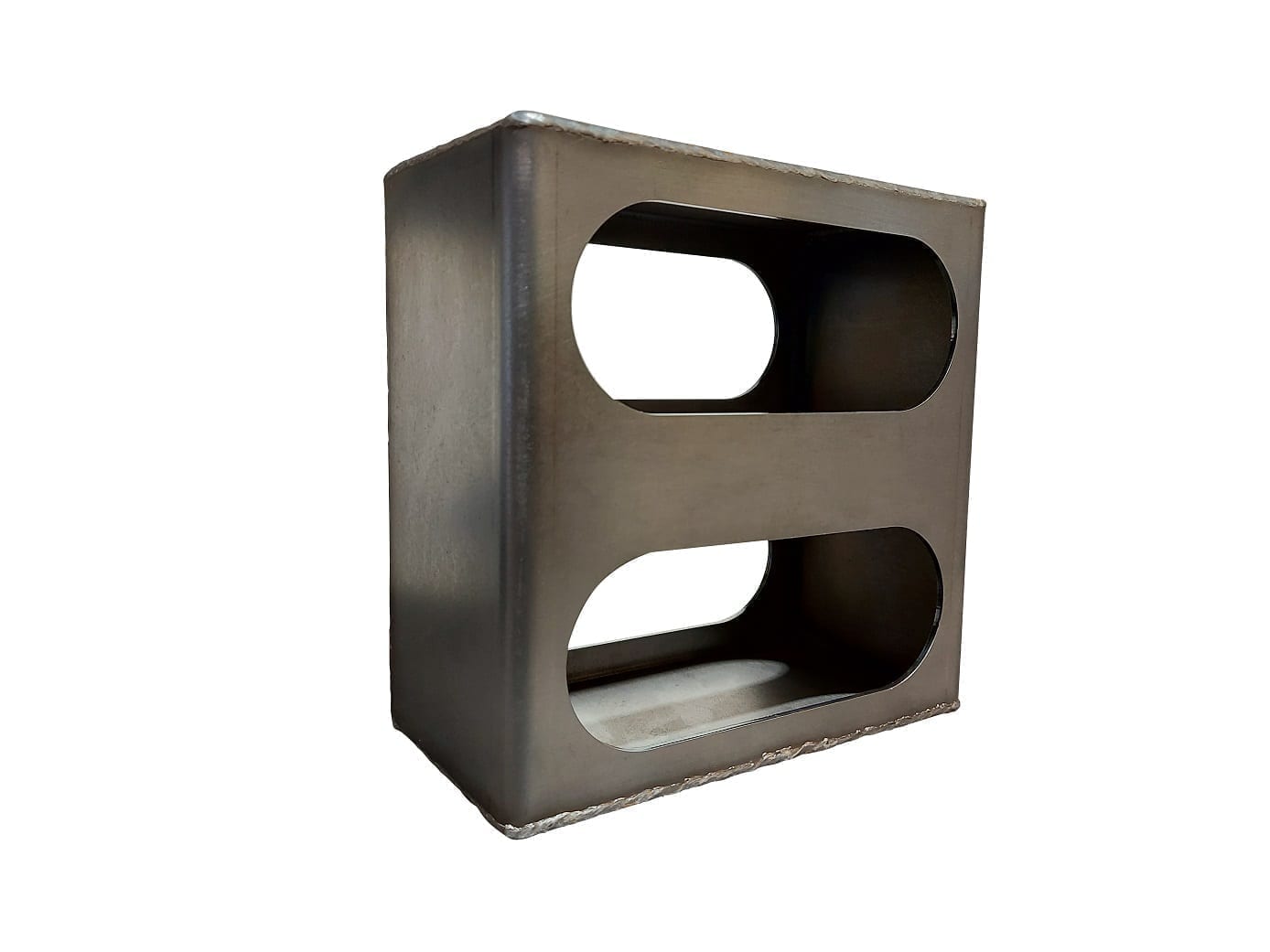
Alberta Cab Guard Oval Light Box – 12 GA
$91.66CAD -
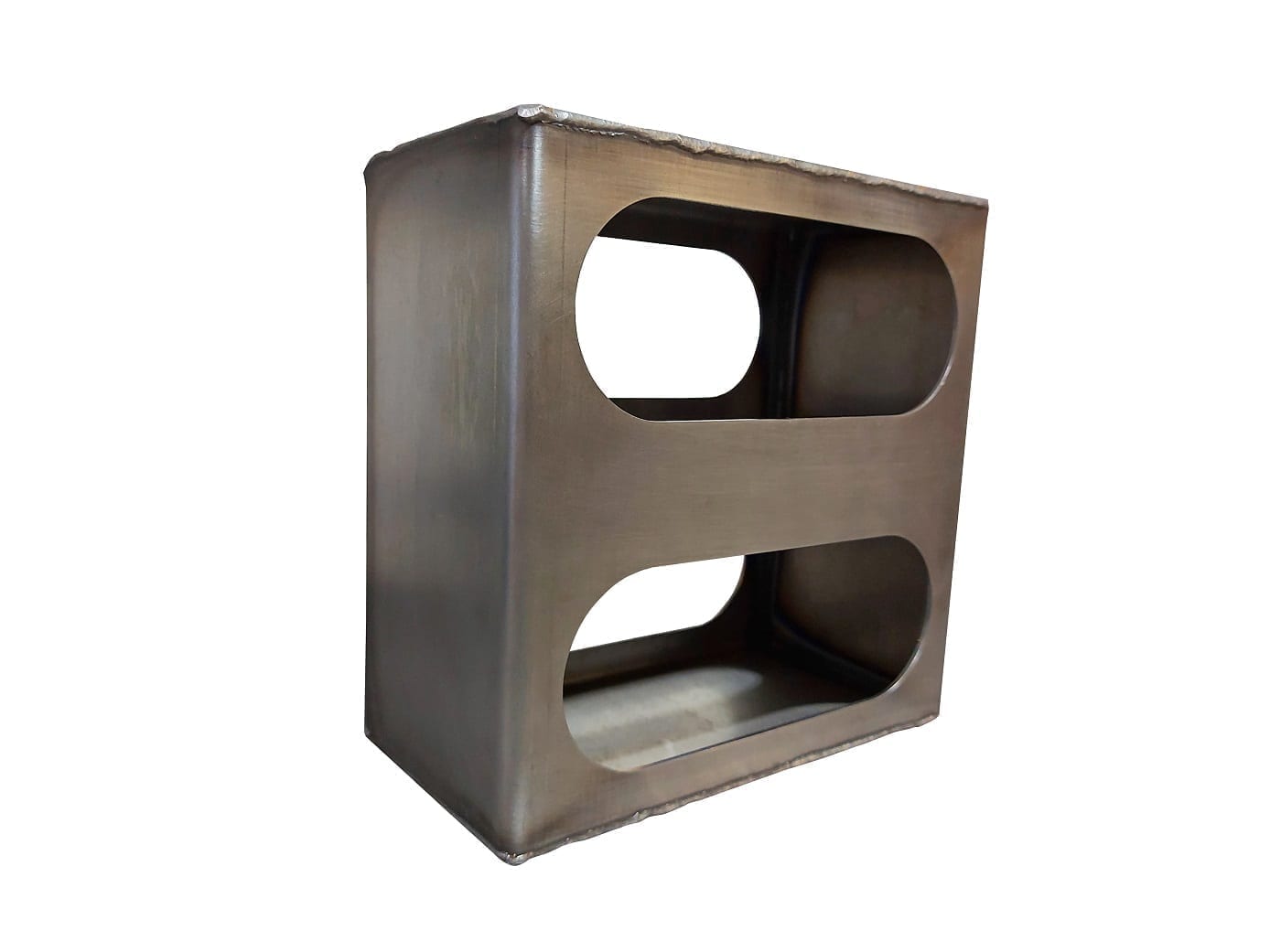
Alberta Cab Guard Oval Light Box – 14 GA
$66.57CAD -
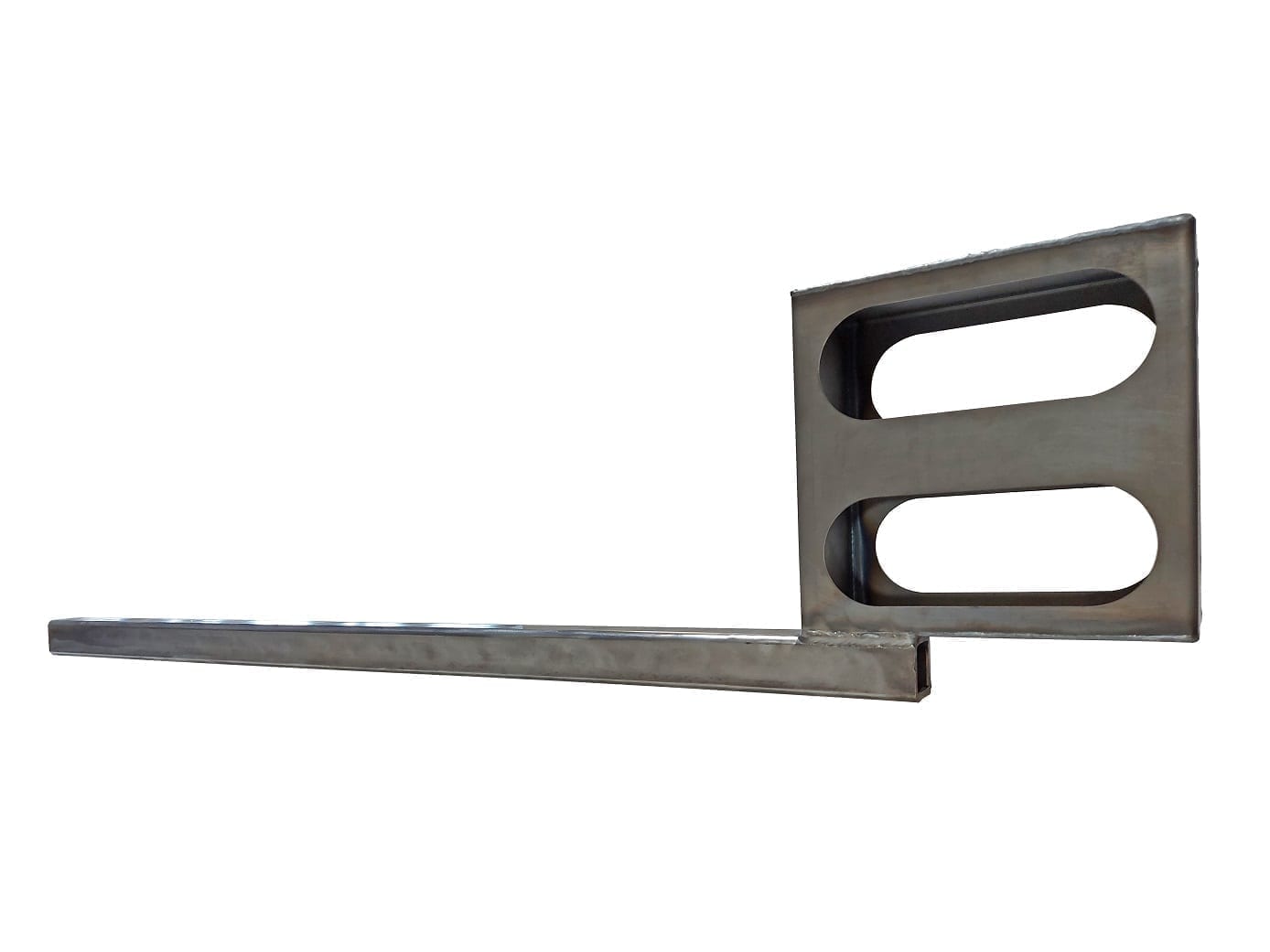
Alberta Cab Guard Oval Light Box With 1-1/2″ Tubing, LH
$104.56CAD -
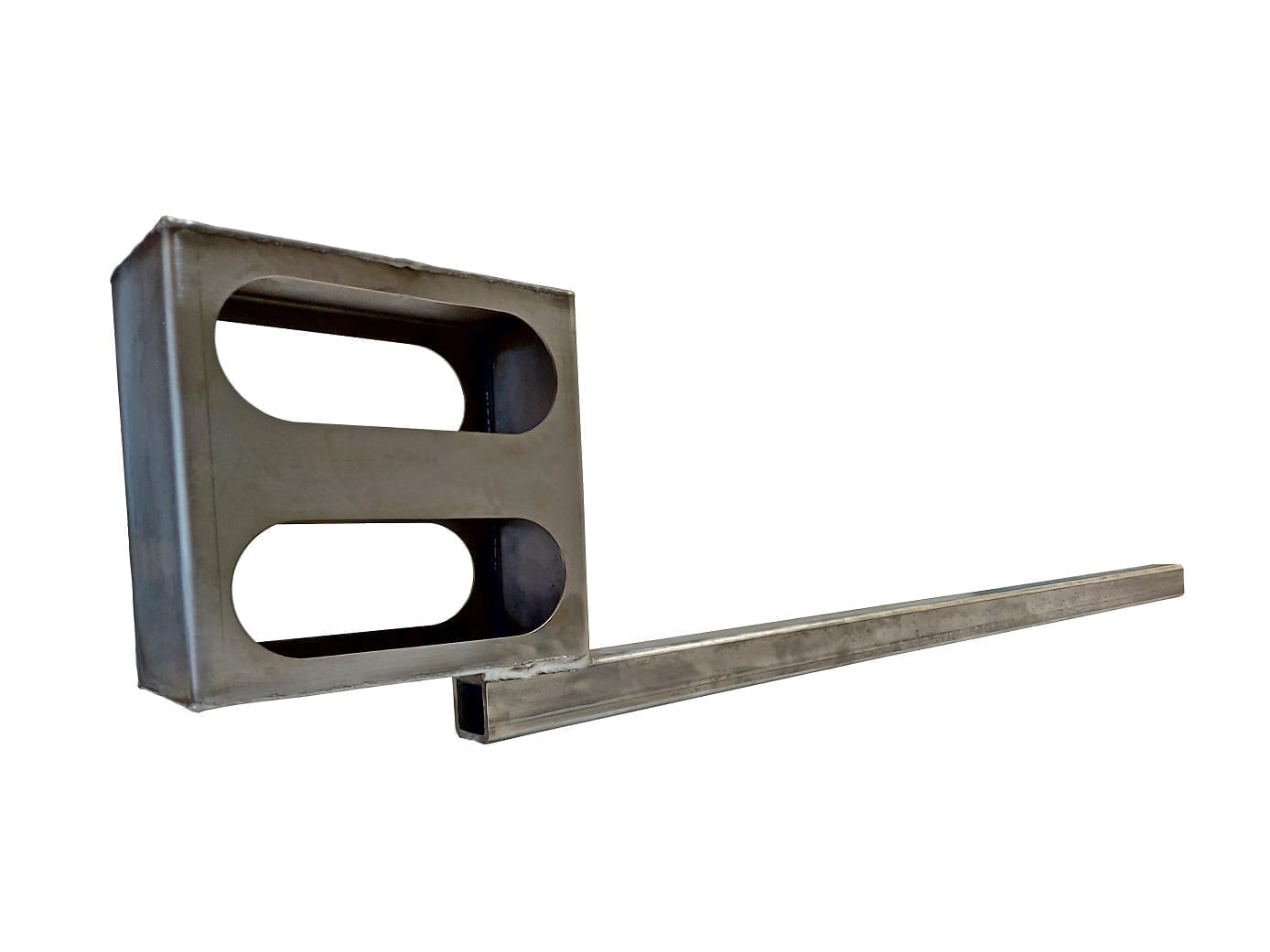
Alberta Cab Guard Oval Light Box With 1-1/2″ Tubing, RH
$104.56CAD
Commercial trailers operate in demanding environments where lighting systems are constantly exposed to road debris, impacts, weather, and vibration. Here at Star Fabrication, we manufacture heavy-duty light boxes and lighting protection systems designed to help fleets reduce damage-related lighting failures.
Compared to exposed light installations, protected light boxes offer several advantages:
- Improved impact resistance
- Reduced lens damage
- Better protection from road debris
- Lower maintenance costs
- Increased lighting reliability
- Extended service life
These solutions are particularly valuable for flatbed, logging, oilfield, construction, and heavy-haul operations where lighting components are frequently exposed to harsh conditions.
FAQs
When are lights required to be installed on a trailer?
Federal regulations generally require trailers operated on public roadways to have lighting systems that comply with applicable size, weight, and usage requirements. Most road-going trailers require lighting equipment regardless of whether they are operated during the day or night.
When is a trailer required to have brake lights, and how many are required by law?
Commercial trailers typically require brake lights whenever they are operated on public roadways. In most cases, two brake lights are required by law, mounted at the rear of the trailer and visible to following traffic.
Are clear taillights legal on a commercial trailer?
No, while clear lenses may be used on some vehicles if they emit the correct color, commercial trailer tail lamps must display the required red light output.
What are the clearance light requirements on a trailer?
Trailer clearance lights requirements generally apply to trailers measuring 80 inches or more in width. These lights help indicate the vehicle’s overall width and are typically mounted at the upper front and rear corners.
What are the side marker light requirements for trailers?
Side marker lights on trailers are generally required to indicate vehicle length and position. Amber markers are typically used toward the front, while red markers are used toward the rear.
Why do side marker lights fail so frequently on fleet trailers?
Common causes include vibration, moisture intrusion, wiring damage, corrosion, road debris impacts, and poor electrical connections. However, heavy-duty protective lighting systems can significantly reduce these failures.
Are Blue Dot Tail Lights Legal on Trailer Trucks?
In most commercial trucking applications, blue dot tail lights are generally not compliant with federal lighting requirements. Operators should verify applicable state, provincial, and federal regulations before installation.
What is the DOT regulation for truck marker lights?
Truck marker light requirements are primarily established through FMVSS 108 and related federal regulations. These standards govern color, visibility, placement, and operational requirements for marker lamps.
What is the Color Code for Trailer Lights?
The standard color code for trailer lights generally includes:
- Red: Tail lights, brake lights, rear markers
- Amber: Front markers, side markers, turn signals (where applicable)
- White: License plate lights, reverse lights, front-facing illumination
Following the proper color code for trailer lights helps ensure visibility, compliance, and safe operation on public roadways. Additionally, maintaining compliant trailer lighting is more than a regulatory obligation. It’s a critical safety practice. By understanding DOT trailer lighting requirements, implementing consistent inspection procedures, and protecting lighting systems with durable solutions from Star Fabrication, fleets can reduce violations, improve reliability, and keep drivers operating safely throughout North America.

No comments yet.