
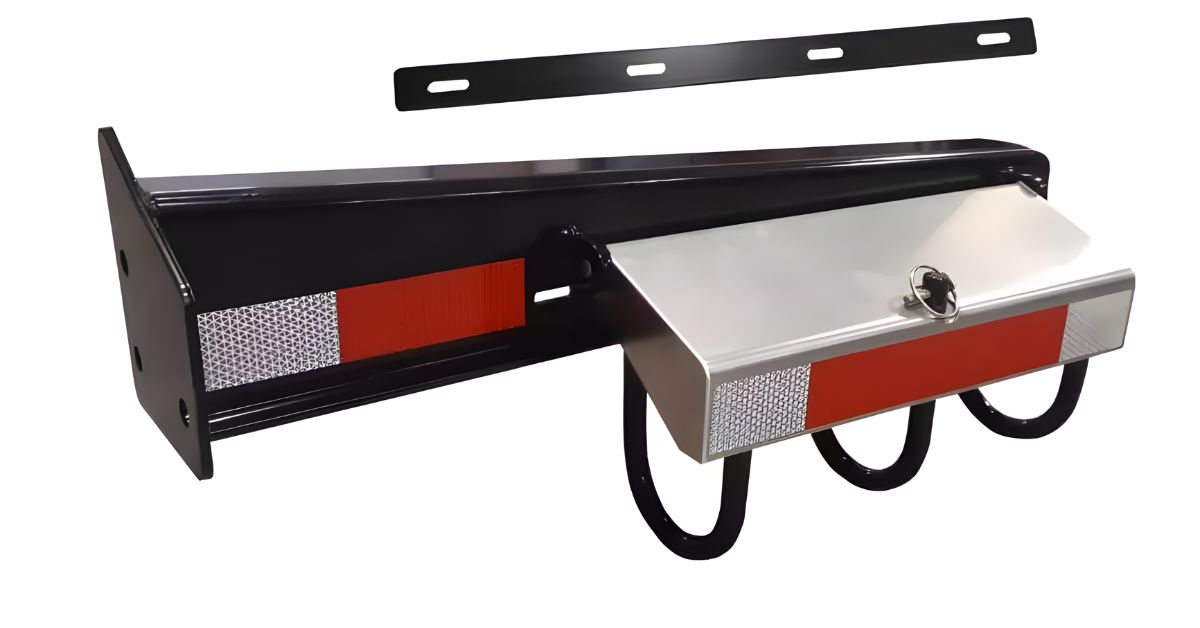
Chain hangers are critical components in transportation and industrial applications, providing essential support for lighting systems, cables, and other equipment on trucks, trailers, and various machinery. These seemingly simple yet vital hardware pieces must withstand constant exposure to harsh environmental conditions while maintaining structural integrity and safety standards.
However, corrosion poses a significant threat to their performance and longevity, potentially leading to equipment failure, safety hazards, and costly replacements. Understanding the factors that contribute to corrosion on chain hangers helps operators, maintenance teams, and fleet managers make informed decisions about materials, protection, and maintenance. This extends service life and ensures reliable operation.
Understanding Chain Hangers and Their Critical Role
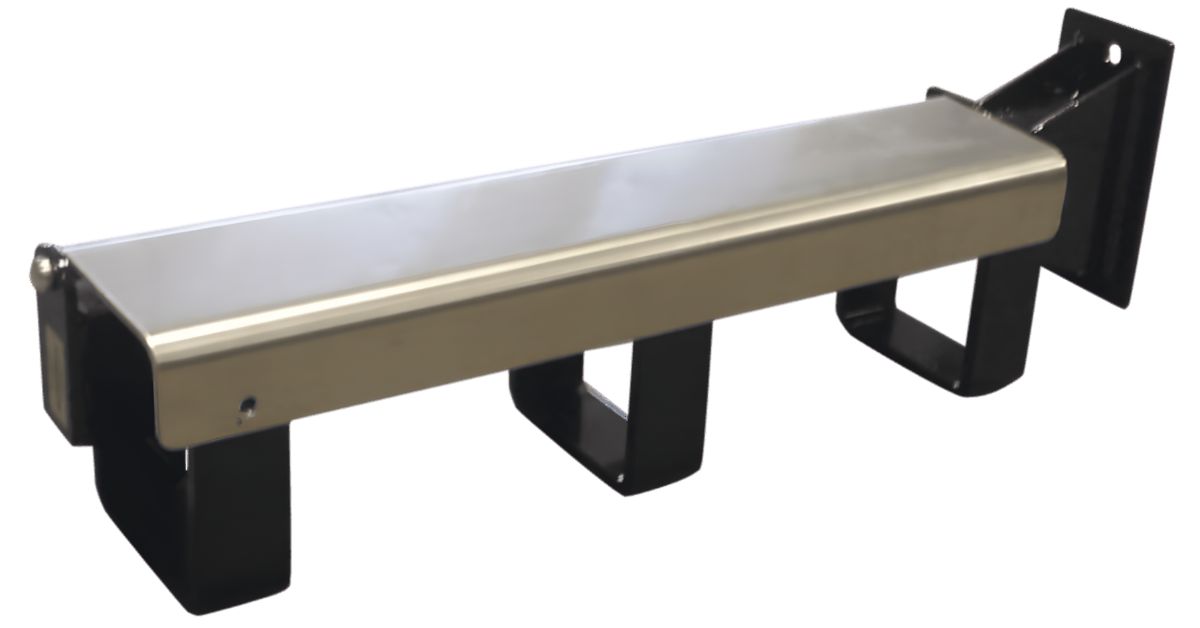
Manufacturers make chain hangers from various materials, with steel and stainless steel being the most common choices due to their strength-to-weight ratio and cost-effectiveness. Standard carbon steel offers excellent mechanical properties and affordability, making it suitable for many applications. However, it requires protective treatments to resist corrosion. Stainless steel variants, particularly those containing chromium and nickel, provide superior corrosion resistance but come at a higher initial cost.
These components find widespread use in commercial trucking, where they support tail lights, marker lights, and electrical systems. Marine applications, construction equipment, and industrial machinery also rely heavily on chain hangers for securing various components. The reliability of these hangers directly impacts operational safety, as failure can result in damaged equipment, regulatory violations, or accidents.
The demanding environments where chain hangers operate make them particularly susceptible to corrosive attack. Road salt exposure during winter months, coastal humidity, industrial chemical vapors, and temperature extremes all contribute to accelerated deterioration. This reality makes understanding corrosion mechanisms essential for anyone responsible for equipment maintenance and safety.
Environmental Factors That Accelerate Corrosion
Moisture and Humidity Effects
Water is the primary catalyst for most corrosion processes affecting chain hangers. High humidity levels create conditions where moisture can condense on metal surfaces, initiating electrochemical reactions that break down protective oxide layers. Rain, snow, and washing operations introduce direct water contact, while humidity creates persistent moisture films that maintain corrosive conditions even when surfaces appear dry.
The presence of oxygen dissolved in moisture accelerates oxidation reactions, forming rust on steel surfaces. This process becomes self-perpetuating as rust absorbs more moisture and creates an increasingly corrosive environment. Trapped moisture in crevices, joints, or damaged coating areas becomes particularly problematic, as these locations experience prolonged exposure without adequate drying opportunities.
Temperature Variation Impact
Temperature fluctuations create multiple pathways for corrosion acceleration. Thermal cycling causes expansion and contraction of metal components, potentially creating micro-cracks in protective coatings or the base material itself. These microscopic openings provide entry points for moisture and corrosive agents to reach previously protected surfaces.
Extreme temperatures also affect the rate of chemical reactions involved in corrosion. Higher temperatures generally increase reaction rates, accelerating the formation of corrosive products. Cold temperatures can cause condensation as warm, humid air contacts cooler metal surfaces, creating ideal conditions for corrosion initiation.
Chemical Exposure Challenges
Road salt is one of the most aggressive corrosive agents affecting chain hangers in transportation applications. Sodium chloride and other de-icing chemicals create highly conductive solutions that accelerate electrochemical corrosion processes. These salts can penetrate small defects in protective coatings and continue attacking the underlying metal long after initial exposure.
Industrial environments introduce additional chemical challenges through exposure to acids, alkalis, and various process chemicals. Diesel exhaust, hydraulic fluids, and cleaning solvents can all contribute to coating degradation and direct chemical attack on metal surfaces. Even seemingly mild substances can become problematic when combined with moisture and temperature variations.
Material Composition and Corrosion Susceptibility
The specific alloy composition of chain hangers dramatically influences their corrosion resistance. Carbon content, alloying elements, and heat treatment all affect how materials respond to corrosive environments. Higher carbon steels typically exhibit increased hardness but may sacrifice some corrosion resistance. Alloying elements like chromium, nickel, and molybdenum can significantly improve corrosion resistance but also increase material costs.
Surface treatments and protective coatings create barriers between the base metal and corrosive environments. Galvanized coatings provide sacrificial protection, corroding preferentially to protect the underlying steel. Powder coatings, paints, and other organic coatings create physical barriers but can become vulnerable to mechanical damage or UV degradation.
The quality and integrity of these protective systems directly influence long-term performance. Manufacturing defects, improper application, or damage during handling and installation can compromise protection and create localized corrosion sites that eventually spread throughout the component.
Mechanical Stress and Corrosion Interaction
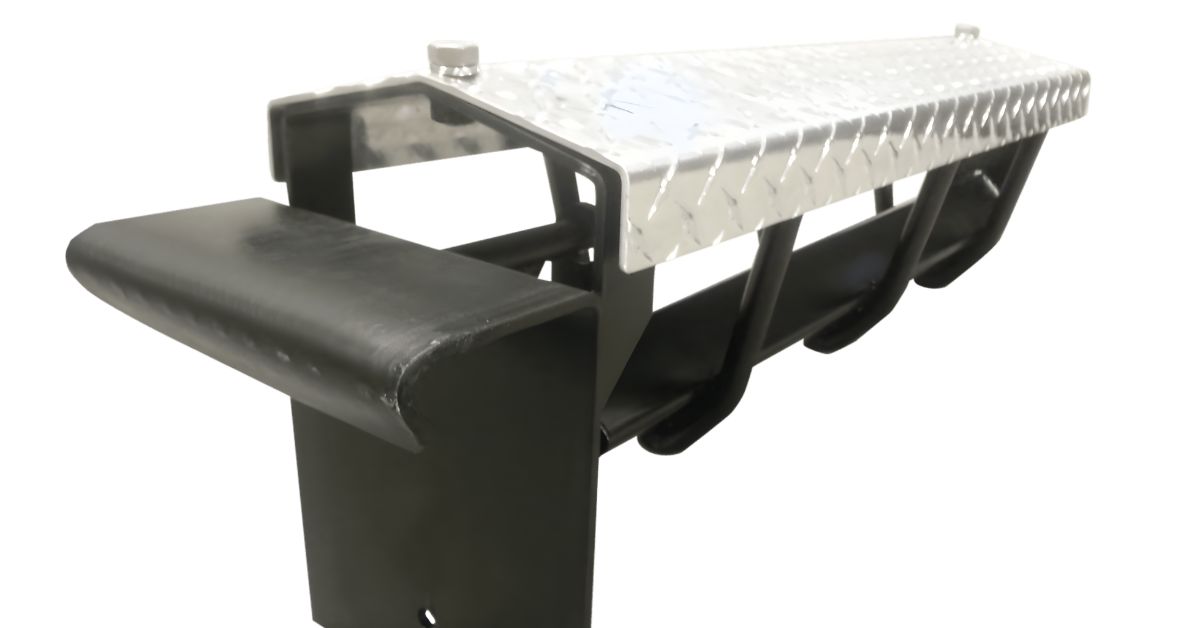
Mechanical stress creates additional vulnerability to corrosive attack through several mechanisms. Tensile loads can open micro-cracks in protective coatings, exposing fresh metal surfaces to environmental attack. Cyclic loading from vibration, thermal expansion, or operational forces can propagate these defects and accelerate coating failure.
Stress concentration points, such as threads, sharp corners, or attachment points, become particularly susceptible to corrosion initiation. These areas experience higher local stresses that can overcome the protective capacity of coatings or natural oxide layers. Once corrosion begins at stress concentration points, it often progresses rapidly due to the combination of mechanical and chemical attack.
Abrasion and wear from contact with other components or debris can mechanically remove protective coatings, exposing bare metal to corrosive environments. This type of damage is particularly common in transportation applications where road debris, vibration, and operational handling create ongoing mechanical challenges.
Galvanic Corrosion Concerns
When chain hangers come into contact with dissimilar metals, galvanic corrosion can occur through electrochemical reactions. This process involves the more active metal (anode) corroding preferentially to protect the more noble metal (cathode). The rate and severity of galvanic corrosion depend on the metals involved, the environmental conditions, and the relative surface areas of the dissimilar materials.
Common scenarios include steel chain hangers in contact with aluminum components, stainless steel fasteners with carbon steel hangers, or copper-based electrical connections. The presence of an electrolyte, typically moisture containing dissolved salts or other ions, completes the galvanic cell and enables current flow between the dissimilar metals.
To prevent galvanic corrosion, you need to select materials carefully and insulate dissimilar metals. You can also use protective coatings to interrupt the electrical connection between the materials.
Protecting Your Investment Through Informed Decision-Making
Understanding the complex factors that contribute to corrosion on chain hangers enables informed decision-making about material selection, protective measures, and maintenance strategies. Environmental conditions, material properties, mechanical stresses, and electrochemical effects all interact to determine long-term performance and reliability.
Star Fabrication is a trusted manufacturer in the transportation industry, bringing decades of expertise to the production of critical trucking equipment such as chain hangers and swing out and pull out light arms. We ensure reliable performance in demanding applications through quality materials, advanced manufacturing, and rigorous testing, while providing the durability and corrosion resistance transportation professionals need. Browse our products to enhance your transportation and safety efforts today.

No comments yet.